Dam seepage and leakage are important issues in the inspection and maintenance of dams and embankments. If abnormal water movement develops inside an embankment, early detection can help engineers identify potential risks before they become more serious.
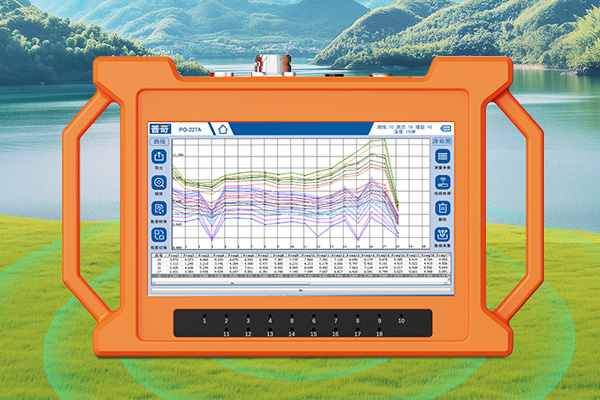
The PQWT PQ-227A Embankment Leak Detector is designed to assist with the investigation of potential leakage and seepage areas in dams and embankments. It can be used during routine inspections, new project acceptance, and inspections following heavy rainfall or other conditions that may increase seepage risk.
What Is Dam Seepage?
Dam seepage refers to the movement of water through or beneath a dam or embankment. A certain amount of seepage can occur naturally in some structures, but changes in seepage patterns, unexpected wet areas, or localized leakage may indicate a potential problem.
Common signs that may require further investigation include:
Unexpected wet spots on the downstream slope
Localized water discharge
Changes in soil moisture
Abnormal seepage patterns
New cracks or settlement near the embankment
Changes in seepage after heavy rainfall
When these conditions occur, engineers can use appropriate inspection and detection methods to locate areas that require further evaluation.
Why Is Early Dam Leakage Detection Important?
A small seepage anomaly does not necessarily mean that a dam is unsafe. However, changes in seepage conditions should be investigated because progressive internal erosion or piping can develop in certain situations.
Regular inspection helps engineers:
Identify abnormal areas at an early stage
Compare current conditions with previous inspection results
Locate areas requiring detailed investigation
Support dam maintenance and safety assessment
Reduce the risk of overlooking hidden leakage paths
For this reason, leakage detection can be an important part of routine embankment inspection and dam maintenance.
Applications of the PQ-227A Embankment Leak Detector
The PQWT PQ-227A can be used in several dam and embankment inspection scenarios.
1. Routine Embankment Inspection
Large dams and embankments can extend over considerable distances, making manual inspection alone inefficient.
The PQ-227A can assist inspection teams in investigating abnormal areas along an embankment. By collecting and analyzing electrical field information, the instrument can help identify areas that may require closer examination.
When an abnormal area is identified, engineers can carry out additional inspections and determine whether further maintenance or monitoring is necessary.
2. Inspection of Newly Constructed Embankments
Newly constructed or repaired embankments may require inspection before being placed into normal operation.
The PQ-227A can be used as an additional detection tool during project inspection and acceptance. It can help identify areas that require further investigation and provide supporting information for engineering assessment.
The instrument should be used together with appropriate engineering inspection procedures rather than as a replacement for professional dam safety assessment.
3. Inspection After Heavy Rainfall
Heavy or prolonged rainfall can change water levels and seepage conditions around dams and embankments.
After extreme weather, inspection teams may need to pay particular attention to:
Newly developed wet areas
Increased seepage
Changes in downstream conditions
Abnormal water discharge
Areas with changes in soil moisture
The PQ-227A can be used to investigate suspected abnormal areas and help inspection personnel determine where more detailed examination may be appropriate.
How Does the PQ-227A Help With Leakage Investigation?
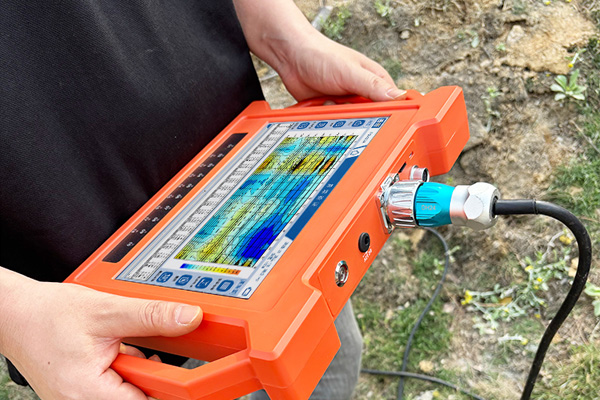
The PQ-227A uses a natural electric field frequency selection method to collect information related to underground conditions.
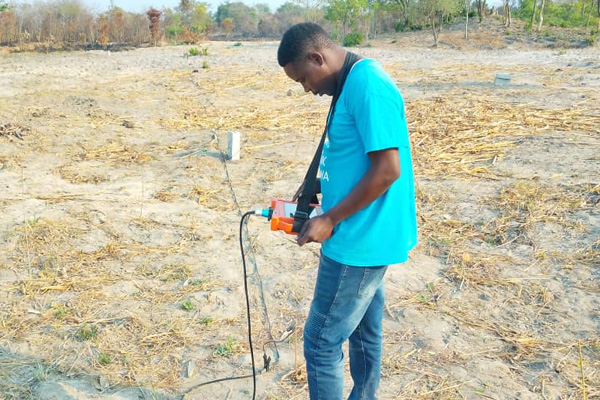
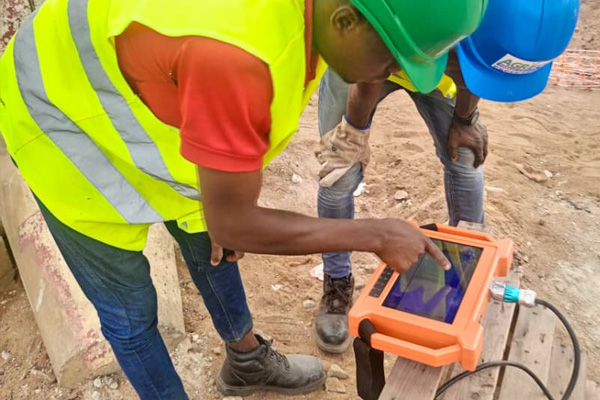
During an investigation, technicians can use the instrument to survey selected areas and compare measurements from different locations.
When an abnormal signal is identified, the location can be investigated further using appropriate engineering methods.
This approach can help reduce reliance on visual inspection alone, particularly when potential leakage or seepage occurs below the surface.
Where Can an Embankment Leak Detector Be Used?
Depending on the project requirements and site conditions, embankment leakage detection equipment can be considered for applications such as:
Earth dams
Reservoir embankments
River embankments
Levees
Water conservancy projects
Irrigation reservoirs
Dam maintenance projects
Post-rainfall inspection
Leakage investigation projects
The actual detection method should be selected according to the dam structure, geological conditions, water conditions, and requirements of the engineering project.
Dam Leakage Detection Is Part of a Broader Inspection Process
No single instrument should be considered a complete substitute for dam safety inspection.
When an abnormal area is detected, engineers may need to combine several sources of information, including visual inspection, historical monitoring data, geological information, seepage measurements, and other appropriate testing methods.
The role of an embankment leak detector is to provide additional information that can help engineers locate and investigate potential abnormal areas more efficiently.
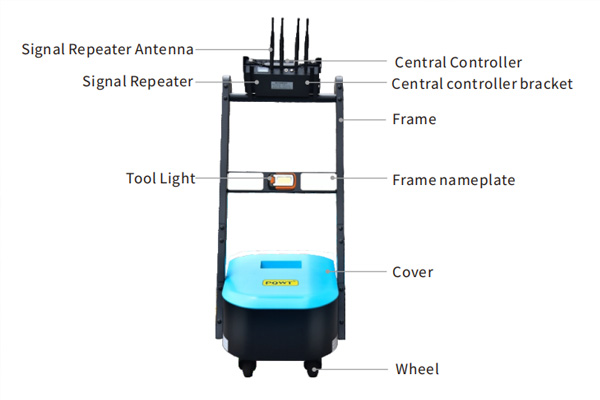
PQWT PQ-227A Embankment Leak Detector
The PQWT PQ-227A is designed for leakage investigation and inspection of dams and embankments.
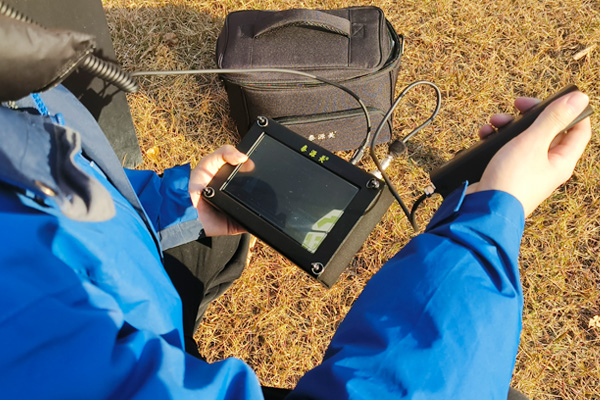
Its portable design allows inspection personnel to carry the equipment to different areas of a project and perform field measurements.
For projects involving suspected dam seepage or embankment leakage, the PQ-227A can be used as part of a broader investigation process to help identify areas that require further engineering assessment.
Conclusion
Early identification of abnormal seepage can be an important part of dam and embankment maintenance. Routine inspection, post-rainfall investigation, and inspection of newly constructed or repaired structures can help engineers better understand changing site conditions.
The PQWT PQ-227A Embankment Leak Detector provides an additional field detection option for investigating potential leakage and seepage areas.
For professional dam safety projects, detection results should be evaluated together with site conditions and other engineering data before maintenance or corrective actions are determined.