Fire protection systems must remain reliable and ready for use, even when they have not been activated for a long time. However, underground pipes, concealed connections and aging fittings can develop leaks that are not immediately visible. A gradual pressure drop, unexplained water accumulation or damp areas near a pipeline may indicate a problem that needs further investigation.
Finding a leak in a fire protection network is not always straightforward. Pipes may run beneath concrete floors, underground roads or landscaped areas, making visual inspection alone insufficient. A systematic inspection process, supported by suitable leak detection equipment, can help maintenance teams narrow down the suspected area before excavation or repair work begins.
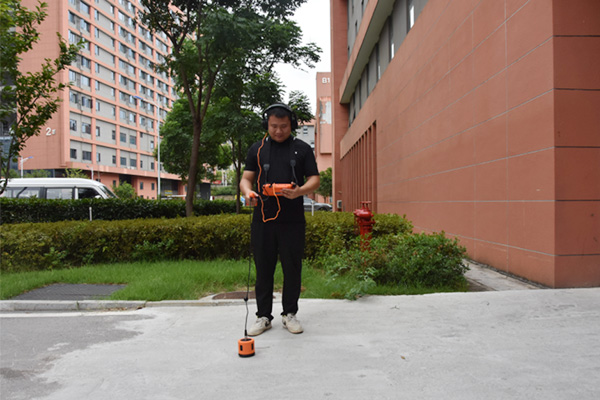
1. Common Signs of a Fire Protection Pipe Leak
A leak in a fire protection pipeline does not always produce an obvious stream of water. In many cases, the first signs are subtle and may be mistaken for normal changes in the surrounding environment.
Maintenance personnel should pay attention to several possible warning signs:
Unexplained pressure changes: A repeated or unexpected pressure drop may indicate leakage, although temperature changes, valve conditions and other system factors should also be considered.
Persistent dampness: Wet ground, water stains or moisture around pipe routes may suggest a concealed leak.
Unusual water consumption: Water replenishment that occurs more frequently than expected may indicate water loss somewhere in the network.
Visible corrosion or damage: Rust, damaged joints, loose connections and deteriorated fittings deserve further inspection.
Unusual sounds: A continuous hissing, rushing or vibrating sound near a pressurized water pipe may be associated with leakage.
These signs can help identify areas that require attention, but none of them should be treated as final proof of a leak. A proper assessment should consider the pipeline layout, operating conditions and inspection results together.
2. Why Hidden Leaks Are Difficult to Locate
Fire protection pipelines are often installed in locations that are difficult to access. Some sections run underground, beneath concrete structures or behind walls. As a result, water may travel away from the actual leak before appearing on the surface.
Several factors can make detection more challenging:
Pipe depth and installation conditions: Deeply buried pipes and pipes beneath thick concrete can make surface inspection less effective.
Pipe material and structure: Different materials and pipe configurations transmit leak-related sound differently.
Background noise: Pumps, traffic, nearby machinery and other operating equipment may interfere with acoustic measurements.
Water pressure and flow conditions: Leak signals can vary depending on the pressure, flow and size of the opening.
Complex pipeline layouts: Branch connections, elbows, valves and changes in pipe diameter can affect how signals travel along the network.
Understanding these factors helps technicians select appropriate detection points and avoid relying on a single measurement.
3. How Acoustic Leak Detection Works
When pressurized water escapes through a damaged section of pipe, the flow can generate vibration and sound. These signals may travel along the pipe wall and through surrounding materials.
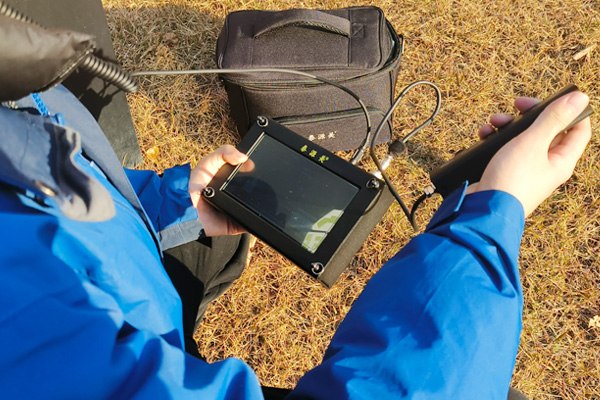
An acoustic leak detector uses sensitive sensors to pick up these signals. The instrument allows technicians to listen to and compare the detected sound characteristics at different points along the pipeline.
A stronger or unusual signal may indicate a possible leak location, but signal intensity alone is not enough to confirm the exact position. The result needs to be assessed alongside pipe routing, sensor contact conditions, background noise and measurements from nearby points.
Acoustic detection is therefore a useful method for investigating suspected leaks in pressurized water pipelines, particularly when the pipe is concealed and direct visual access is limited.
4. Real-World Factors Affecting Acoustic Leak Detection
The effectiveness of acoustic leak detection depends on more than the sensitivity of the instrument. Actual site conditions can influence how leak-related signals are generated, transmitted and received.
Pipe Material
Different pipe materials transmit sound and vibration differently. Metal pipes generally provide different acoustic characteristics from plastic or other non-metallic pipes. Pipe connections, joints and surrounding materials can also influence signal transmission.
Technicians should consider the pipe material when choosing sensor positions and interpreting measurement results.
Burial Depth and Ground Conditions
Deeply buried pipelines may produce weaker or less distinct signals at accessible surface points. Soil composition, moisture levels, concrete structures and the distance between the pipe and sensor can all affect detection conditions.
For this reason, a measurement taken directly above the pipeline may not always provide the strongest signal.
Water Pressure and Leak Characteristics
The sound generated by escaping water can vary with operating pressure, leak size and the shape of the damaged opening. A small leak does not necessarily produce the same acoustic pattern as a larger opening.
Measurements should therefore be interpreted in the context of actual pipeline operating conditions rather than judged by signal strength alone.
Background Noise and Equipment Operation
Pumps, vehicles, nearby machinery and other water systems can introduce unwanted noise. Where possible, technicians should identify noise sources and select suitable measurement periods without compromising fire protection system operation.
Sensor Contact and Measurement Consistency
Poor sensor contact, loose connections or inconsistent placement can affect the readings. When comparing different inspection points, technicians should maintain reasonably consistent sensor contact and measurement conditions.
These factors explain why reliable leak location usually requires multiple measurements and a combination of instrument readings and site knowledge.

5. A Practical Workflow for Inspecting Fire Protection Pipes
A structured inspection can reduce unnecessary investigation and help technicians focus on the most likely problem area.
Step 1: Review the Pipeline Layout
Before testing, identify the available pipeline drawings, pipe materials, approximate burial depth, valve locations and accessible inspection points. Confirm the section to be investigated with the responsible fire protection maintenance personnel.
Step 2: Check the System for Warning Signs
Review pressure records and inspect accessible pipes, joints, valves and surrounding surfaces. Look for persistent moisture, corrosion or unexplained water loss.
Pressure testing or valve operation should only be carried out by authorized personnel under an approved procedure. Do not isolate or impair an operational fire protection system without the required authorization and safety arrangements.
Step 3: Carry Out an Initial Acoustic Survey
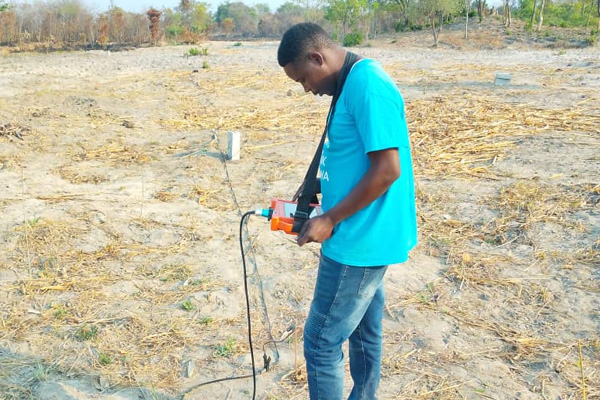
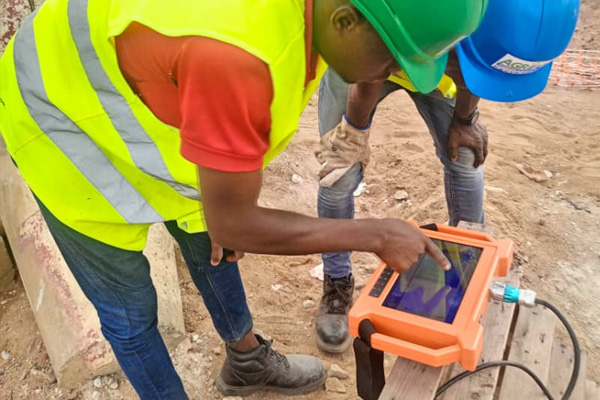
If the system conditions are suitable, use an acoustic leak detector to check accessible points along the suspected pipeline route. Keep sensor placement and contact conditions as consistent as possible when comparing measurements.
Record the sound characteristics and instrument readings at each inspection point. This initial survey helps identify sections that deserve closer attention.
Step 4: Narrow Down the Suspected Leak Area
Once an abnormal signal has been identified, inspect nearby points on both sides of the suspected location. Compare the signal pattern rather than relying on one isolated reading.
Repeated measurements under reasonably consistent conditions can help narrow down the area that requires further investigation.
Step 5: Verify the Finding Before Repair
Mark the suspected location and compare it with the pipeline drawings and other available evidence. Depending on site conditions, further inspection or a suitable verification method may be needed before excavation or repair.
Accurate leak location helps reduce unnecessary digging and allows maintenance teams to plan repairs more efficiently.
6. Choosing Suitable Leak Detection Equipment
The right equipment depends on the pipe material, installation environment, accessibility and suspected leak conditions.
For pressurized water pipelines, acoustic leak detection equipment can help technicians identify leak-related sounds and compare signal changes along the pipe route.
When selecting a detector, consider:
Sensor sensitivity and suitability for the intended application.
Compatibility with the pipe material and inspection environment.
Available survey and positioning functions.
Ease of operation and portability.
Availability of technical support and operating guidance.
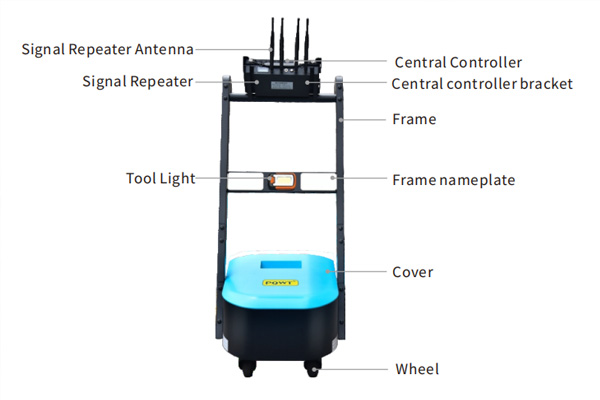
PQWT develops pipeline leak detection equipment for professional water leak investigation. Explore the PQWT Pipe Leak Detector product range to learn more about available equipment for pipeline inspection and leak detection.
Equipment selection should always be based on the actual application. Not every detector is suitable for every pipe material, pressure condition or inspection environment.
7. Safety Considerations During Fire Pipeline Inspection
Fire protection systems are safety-critical infrastructure. Inspection work must not compromise their ability to operate when needed.
Before carrying out any testing:
Coordinate the inspection with the facility's fire safety or maintenance team.
Follow the site's approved procedures for access, isolation and system restoration.
Do not operate fire protection valves or change system pressure without authorization.
Use appropriate protective equipment when working in plant rooms, underground chambers or other restricted areas.
Keep inspection records, including the test location, operating conditions and measured results.
Confirm that the fire protection system has been restored to its required operating condition after authorized maintenance work.
Acoustic inspection can help locate suspected leaks, but it does not replace statutory fire protection inspections, system pressure tests or professional maintenance procedures.
Conclusion
Finding hidden leaks in fire protection pipelines requires more than checking for visible water. Pressure records, physical inspection, acoustic measurements and careful verification all contribute to a reliable assessment.
The pipe material, burial depth, operating pressure, background noise and sensor contact conditions can all influence acoustic detection results. Understanding these factors helps technicians make more informed decisions and avoid relying on a single measurement.
By following a structured inspection process and using suitable leak detection equipment, maintenance teams can narrow down suspected leak locations and reduce unnecessary excavation.
For professional water pipeline leak investigation, explore PQWT pipeline leak detection equipment to learn more about available detection solutions.
Frequently Asked Questions
1. How can you tell if a fire protection pipe is leaking?
An unexplained pressure drop, recurring water replenishment, damp ground, corrosion or unusual pipe noise may indicate a leak. These signs should be investigated together rather than treated as individual proof.
2. Can an acoustic leak detector locate underground fire pipe leaks?
An acoustic leak detector can help identify leak-related sounds from suitable pressurized water pipelines. Its effectiveness depends on pipe material, burial depth, water pressure, background noise and sensor placement. Additional verification may be necessary.
3. Why is it difficult to find leaks in underground fire pipes?
Underground pipes are difficult to access directly. Water may travel through soil or along structural surfaces before becoming visible, while pipe depth, material and background noise can affect detection.
4. Does leak detection require excavation?
Not necessarily. Acoustic detection and other suitable non-invasive inspection methods can help narrow down the suspected location before excavation. However, excavation or another verification method may still be required to confirm and repair the leak.
5. What should be considered before inspecting a fire protection pipeline?
Check the pipeline layout, operating conditions, accessible inspection points and site safety procedures. Any work that may affect the operation of the fire protection system must be authorized and coordinated with the responsible personnel.