A hidden water pipe leak can be difficult to locate because the pipe may run behind a wall, beneath a floor, or inside a ceiling. The visible damp patch is not always directly above or beside the actual leak. Water can travel along building materials before it appears on the surface.
Opening a wall or floor too early may cause unnecessary damage and increase repair costs. A more practical approach is to narrow down the suspected area, review the available pipe information, and choose a suitable inspection method before deciding where to open the structure.

1. Why Hidden Pipe Leaks Are Difficult to Locate
The first challenge is that the visible symptoms and the source of the leak may be separated. Water stains, peeling paint, damaged flooring, musty odors, or persistent dampness can indicate a moisture problem, but these signs alone cannot confirm the exact leak location.
The second challenge is the variety of concealed pipe layouts. Pipes may run horizontally or vertically, pass through several rooms, or share a wall or floor with other plumbing lines. Building plans can provide useful clues, but the actual installation may differ from the original drawings.
For this reason, leak investigation should distinguish between the area showing water damage, the suspected pipe route, and the likely leak point. Treating these as three separate pieces of information helps avoid opening the wrong section of a wall or floor.
2. How to Narrow Down the Suspected Leak Area
Before using detection equipment or removing any building material, gather as much information as possible about the affected area.
Record where the symptoms appear. Note the position, size, and progression of damp patches or water stains. Check whether the affected area changes over time.
Review the pipe layout. Consult plumbing drawings, renovation records, or accessible pipe connections to identify the likely route of the concealed line.
Consider other possible sources of moisture. Rainwater penetration, condensation, drainage problems, and waterproofing failures can produce symptoms similar to a pressurized water pipe leak.
Observe the water supply system. If the symptoms suggest a supply-pipe leak, a qualified technician can assess whether an appropriate isolation or pressure test is suitable for the system.
These checks do not pinpoint a leak by themselves. Their purpose is to establish a more focused search area and help determine which inspection method should be used next.
3. Choosing a Detection Method for Concealed Pipes
The most suitable method depends on the pipe material, operating conditions, accessibility, surrounding noise, and the suspected leak location. No single method is ideal for every concealed pipe.
Acoustic leak detection
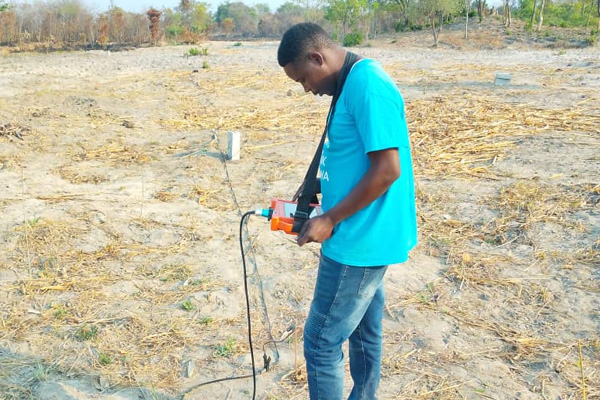
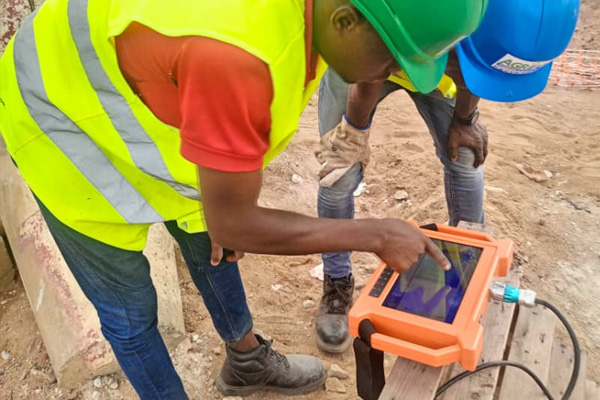
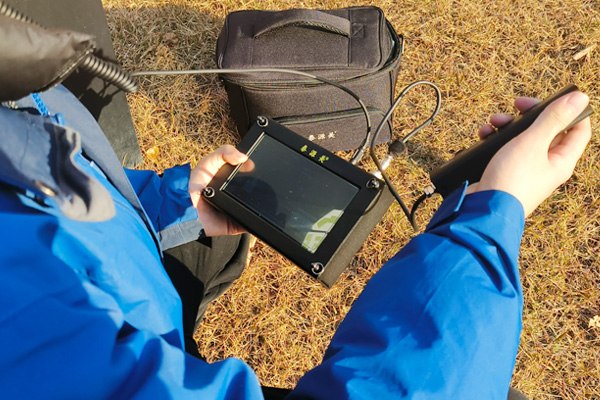
When escaping water produces detectable vibration or sound, an acoustic pipe leak detector can help technicians compare signals at different accessible points. The results depend on factors such as pipe material, leak characteristics, background noise, and contact conditions. Acoustic readings should therefore be interpreted alongside the site information rather than treated as proof on their own.
System checks and sectional isolation
Where the plumbing configuration allows it, checking the water supply and isolating sections of the system may help determine which branch or pipe section requires further inspection. These procedures should be carried out by qualified personnel using methods appropriate to the installation.
Thermal or other supplementary inspection methods
In some situations, thermal imaging or other non-destructive inspection techniques may provide additional clues. Their usefulness depends on the temperature difference, surface construction, moisture conditions, and the type of leak. They should not be assumed to reveal every hidden leak directly.
The goal is not to use the greatest number of methods, but to select the methods that provide useful, complementary evidence for the specific site.
4. When Should You Open a Wall or Floor?
Opening a wall or floor is a repair decision, not the first step in every leak investigation. Before authorizing demolition, check whether the suspected area is supported by more than one source of information, such as the pipe layout, visible moisture patterns, system test results, or detector readings.
If the evidence points to a limited section, a targeted inspection opening may be more appropriate than removing a large area of flooring or wall covering. The final opening location should still account for pipe depth, building structure, waterproofing layers, and the risk of damaging electrical cables or other services.
If the evidence remains inconclusive, further inspection may be more cost-effective than immediate demolition. For complicated cases, a qualified leak detection technician or plumbing professional can help assess the findings and plan the next step.
5. How PQWT Equipment Supports Targeted Leak Inspection
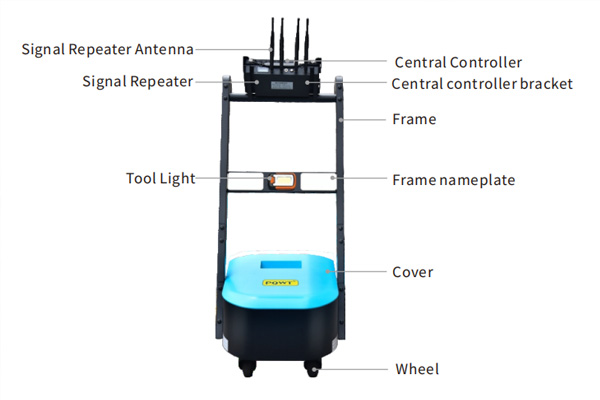
PQWT develops pipe leak detection equipment for professional leak inspection and location tasks. Depending on the model and its configuration, the equipment may support technicians in collecting and comparing leak-related signals at accessible inspection points.
For concealed pipe investigations, the instrument should be used as part of a structured inspection process: first establish the suspected pipe route, then select suitable measurement points, collect readings under reasonably consistent conditions, and compare the results with other site evidence.
Equipment selection should match the actual application. Indoor plumbing, outdoor water supply lines, and more complex pipeline environments may require different configurations and inspection approaches. Before choosing a model, confirm its intended application, compatible sensors, and operating instructions.
PQWT equipment can assist the inspection process, but results depend on site conditions, correct operation, and professional interpretation. It should not be presented as a guarantee that every leak can be located without opening any part of the building.
6. A Practical Checklist Before Repair
Before deciding on the repair method, review the following points:
Has the likely source of moisture been distinguished from condensation, drainage, or waterproofing problems?
Is the suspected pipe route supported by drawings, visible connections, or other reliable information?
Have suitable inspection methods been selected for the pipe and site conditions?
Do the available readings and observations point to a sufficiently limited area?
Have potential risks to electrical wiring, structural elements, and waterproofing been considered?
Is the proposed repair appropriate for the pipe material and the confirmed fault?
Once the repair is complete, the system should be checked using a method suitable for the installation. The affected area should also be monitored for continued moisture. Allowing time for previously wet building materials to dry can help distinguish residual moisture from an ongoing leak.

Frequently Asked Questions
Q1: Can a hidden water pipe leak be located without removing tiles or opening a wall?
In some cases, non-destructive inspection can narrow down the suspected leak area enough to reduce the amount of demolition required. However, the result depends on pipe accessibility, leak conditions, building materials, and the detection method. Some cases still require a small inspection opening or further testing.
Q2: Is a damp patch always located directly above the leak?
No. Water can travel along pipes, joints, concrete, plaster, or other building materials before becoming visible. The damp patch is useful evidence, but it should not be treated as the confirmed leak location.
Q3: Can an acoustic pipe leak detector identify every concealed leak?
No detection method works equally well in every situation. Acoustic detection depends on the leak signal, pipe material, background noise, sensor contact, and other site conditions. Readings should be compared at suitable points and interpreted alongside other evidence.
Q4: How do I choose the right PQWT pipe leak detector?
Start by identifying the application, such as indoor plumbing or an outdoor water supply line. Then review the pipe material, access conditions, expected leak characteristics, and the detection functions required. Check the specifications and supported accessories for the individual PQWT model before making a selection.
Q5: Should I repair the pipe as soon as a suspected leak point is found?
Not necessarily. A suspected point should be evaluated against the available inspection evidence. Before repair, confirm the likely fault as far as practical, isolate the relevant water supply when appropriate, and select a repair method suitable for the pipe and installation. For complex or high-risk systems, consult a qualified professional.
Conclusion
Locating a hidden water pipe leak is not simply a matter of finding the wettest spot. A reliable investigation combines building observations, pipe-layout information, suitable detection methods, and careful interpretation of the results. By narrowing down the suspected area before opening the structure, property owners and maintenance teams can make better-informed repair decisions and avoid unnecessary demolition where conditions allow.
Explore PQWT pipe leak detection equipment to identify a model suited to your inspection requirements.