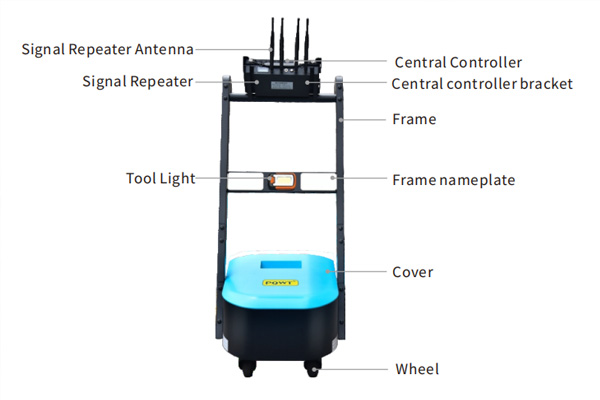
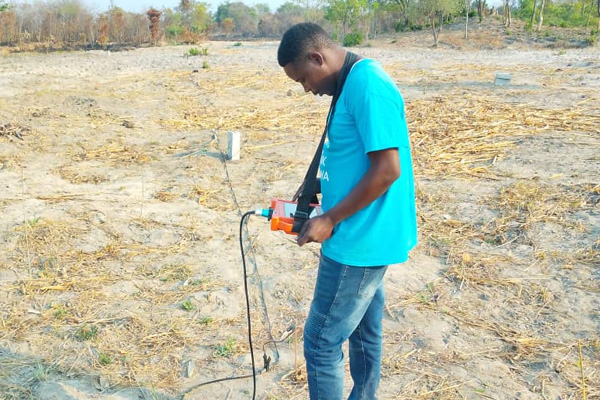
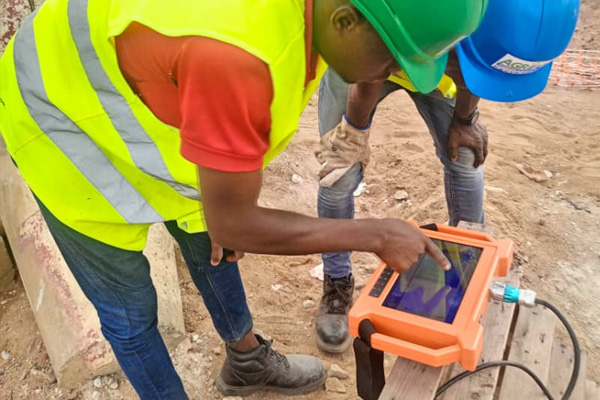
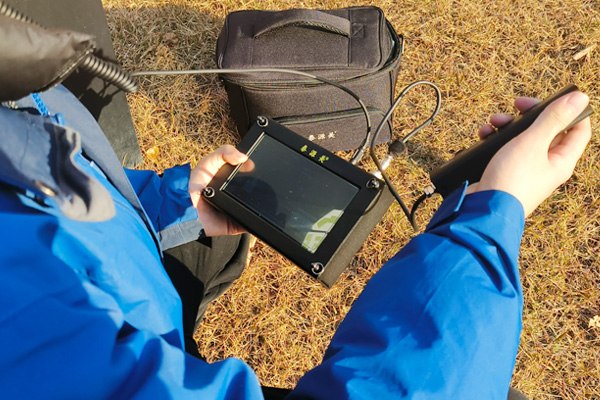
A pipe cable locator is used to trace compatible underground pipes or cables and help operators determine their routes. In a typical active locating setup, the transmitter introduces a locating signal, while the receiver detects the resulting signal response. Connecting leads and other accessories help establish the required connection or operating configuration.
Understanding the role of each component makes it easier to prepare the equipment, identify common setup problems and interpret field readings. The exact design and available functions vary by model, so operators should always refer to the product manual for model-specific instructions.To compare available equipment, explore the PQWT pipe and cable locator productsand check which configuration best matches the intended locating task.

1. Transmitter: Introducing the Locating Signal
The transmitter provides the locating signal used in an active pipe or cable locating process. Depending on the instrument design and the selected connection method, the signal may be applied to a compatible target through a direct connection, a clamp, or an induction method.
Before starting a survey, check that the transmitter is powered on, the selected settings are appropriate for the task, and the leads or accessories are connected as instructed. A poor connection or an unsuitable setup can make the signal difficult to trace.
Not every locating task uses the same connection method. The appropriate method depends on the target utility, accessibility, site conditions and the capabilities of the specific locator.
2. Receiver: Tracing the Signal Along the Route
The receiver detects the locating signal and provides information that helps the operator trace the target route. Depending on the model, the instrument may use visual indicators, numerical readings, audio feedback or a combination of these outputs.
During a survey, the operator should follow the instructions for the selected locating mode and compare readings at successive points. A single strong signal does not always prove that the receiver is directly above the intended utility. Nearby services, signal coupling and site interference can affect the response.
If readings become inconsistent, check the setup and repeat the measurement where appropriate. When the target route is uncertain, additional checks should be completed before marking the line or making an excavation decision.
3. Connecting Leads, Clamps and Induction Accessories
Connecting leads and accessories help transfer or couple the locating signal to the target, depending on the operating method supported by the equipment. They are functional parts of the locating setup rather than optional items that can be used interchangeably in every situation.
Before use, inspect the leads for visible damage and check that connectors are secure. Use only accessories compatible with the instrument and the selected method. Damaged insulation, loose connectors or incorrect connections can affect operation and may create safety risks.
Where direct electrical connection is required, the operator must confirm that the target and connection point are suitable for the procedure. Follow the manufacturer's safety instructions and applicable site rules; do not connect equipment to unknown or potentially hazardous services without proper authorization and assessment.If you are unsure which locating method or configuration is appropriate, consult the pipe cable locator selection guide before choosing the equipment.
4. Display, Controls and Signal Indicators
The display and controls allow the operator to select available modes and review the information provided by the receiver. Depending on the model, the interface may show signal strength, directional guidance, depth estimates or other locating information.
These readings should be interpreted according to the instrument's operating instructions. For example, a signal-strength reading is not necessarily a direct measurement of the distance to a target, and a depth estimate is only meaningful when the device supports that function and the measurement conditions are suitable.
Before fieldwork, confirm that you understand the symbols, indicators and operating modes used by the specific model. This helps reduce setup errors and prevents the results from being interpreted beyond what the instrument can actually determine.
5. Battery and Power Supply
A reliable power supply is essential for field operation. Before leaving for a survey, check the battery level of the transmitter and receiver, charge the equipment according to the manufacturer's instructions, and carry any required charging accessories.
If a device shuts down unexpectedly or its performance becomes unstable, check the battery status before assuming that a locating component has failed. Battery condition, temperature and the instrument's power-management design may affect operating time.
Use the specified charger and follow the recommended charging and storage procedures. Do not use a battery or charger that shows signs of damage.
6. Accessories, Storage and Equipment Protection
Accessories vary by model and may include connection leads, clamps, carrying cases, probes or other items required for a particular locating method. The supplied accessories should be checked against the equipment's packing list and user manual.
After a survey, clean the equipment as recommended, disconnect accessories correctly and store the components in a dry, protected place. Avoid pulling on cables, forcing connectors or exposing the instrument to conditions outside its specified operating limits.
Keeping the transmitter, receiver and accessories together also makes it easier to identify missing items before the next job. For maintenance or replacement, use compatible parts and follow the manufacturer's guidance.
7. A Pre-Survey Checklist for Pipe Cable Locators
Before starting a locating job, review the following checklist:
Confirm that the transmitter and receiver are compatible and operating normally.
Check the battery level and inspect all connecting leads and accessories.
Identify the target utility as far as possible and choose a suitable locating method.
Confirm the selected settings and connection method against the user manual.
Check for nearby utilities or possible sources of signal interference.
Take readings at multiple points and assess whether the results form a consistent route.
Mark the suspected route only after reviewing the available evidence, and follow local utility-location and excavation safety procedures.
This checklist helps organize fieldwork, but it does not replace formal utility records, site risk assessment or the manufacturer's instructions. Where underground services remain uncertain, arrange additional verification before excavation.For more guidance on safe and appropriate operation, review the pipe cable locator operating precautions and follow the instructions for your specific model.
Frequently Asked Questions
Q1: What are the main components of a pipe cable locator?
No. Accessories depend on the equipment design, the target utility and the locating method. Check the product manual and compatibility requirements before using an accessory from another device.
Why can a locator give inconsistent readings?
Possible causes include poor connections, unsuitable settings, interference from nearby utilities, changes in the target signal and site conditions. Check the setup first, then repeat measurements as instructed and compare the results at several points.
Can a pipe cable locator detect every underground pipe?
No. Detection depends on the type of utility, its material and condition, the signal method, the equipment's capabilities and the surrounding environment. Confirm that the target is compatible with the locator and use additional verification where needed.
Q5: How should pipe cable locator components be maintained?
Inspect the equipment before and after use, keep connectors and cables in good condition, follow the recommended charging procedure and store the components according to the manual. Replace damaged parts with compatible components.
Conclusion
Each component of a pipe cable locator contributes to the locating process, from introducing the signal to detecting it and presenting information to the operator. Correct connections, suitable settings and consistent field checks help users obtain more useful readings and recognize when further verification is necessary.
For reliable operation, always match the equipment and accessories to the target utility, follow the model-specific manual and apply appropriate site safety procedures. Explore the PQWT pipe and cable locator range to find equipment suited to your locating requirements.