Why Leak Detection Matters in Heating Systems
Heating systems rely on a reliable network of pipes to transport hot water and maintain consistent indoor temperatures. A leak in the pipeline can reduce system efficiency, increase water and energy consumption, and cause damage to surrounding structures.
For heating companies, facility managers, and maintenance teams, early leak detection helps identify potential problems before they develop into more serious failures.
The right pipe leak detector depends on several factors, including the type of pipeline, operating conditions, installation environment, and required detection accuracy.
This guide explains several commonly used leak detection technologies and the factors to consider when selecting equipment for heating system maintenance.
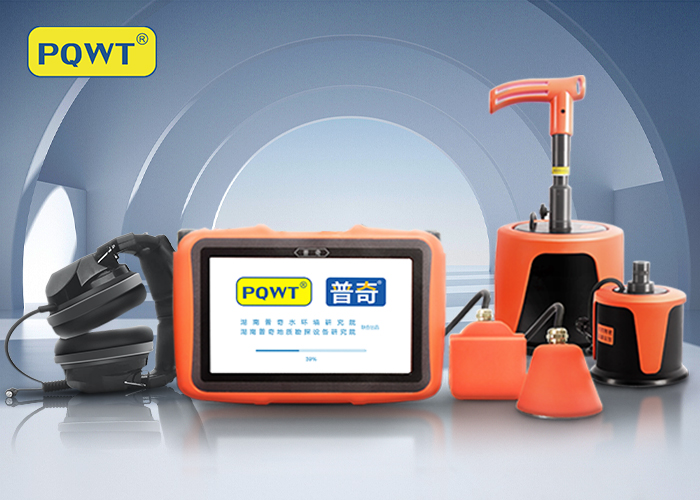
1. Acoustic Leak Detection
Acoustic leak detection is widely used for identifying leaks in pressurized water pipelines.
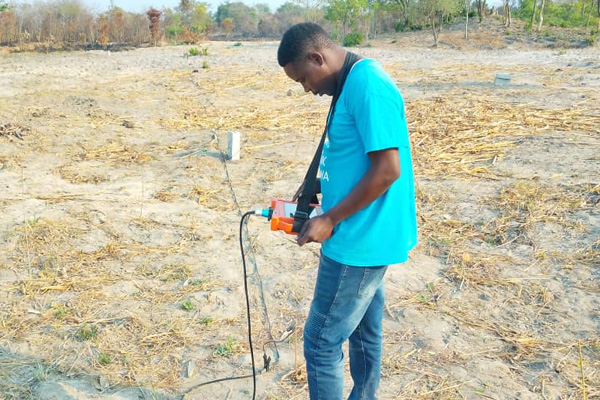
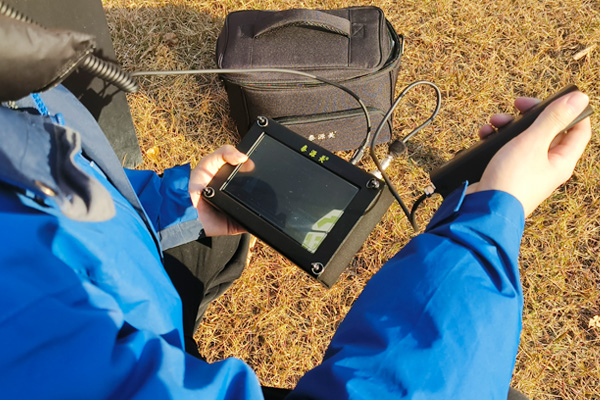
When water escapes through a leak under pressure, it can generate sound and vibration. Acoustic sensors collect these signals, and the detection instrument helps technicians identify abnormal sound characteristics associated with a possible leak.
Advantages of Acoustic Leak Detectors
- Suitable for many pressurized water pipeline applications.
- Can help locate leaks without extensive excavation or structural damage.
- Useful for routine inspections and maintenance.
- Portable equipment can support field investigations.
Factors That Affect Detection Results
Acoustic detection performance depends on several conditions:
- Pipeline material and diameter.
- Water pressure and flow conditions.
- Distance between the leak and sensor.
- Background noise.
- Pipeline installation depth and surrounding materials.
For example, traffic, machinery, and other environmental noise may interfere with acoustic signals. Technicians should therefore interpret instrument readings together with site conditions rather than relying on a single measurement.
2. Tracer Gas Leak Detection
Tracer gas detection is another method used in certain leak detection applications.
Depending on the system design and the medium being tested, a suitable tracer gas may be introduced into a pipeline. Sensors then detect gas escaping from a potential leak location.
This method requires careful consideration of the pipeline system, test procedure, gas selection, and safety requirements.
Tracer gas detection is not interchangeable with conventional acoustic water pipe leak detection. Its suitability depends on the specific application and whether the pipeline and operating conditions support the method.
3. Thermal Imaging for Heating Pipeline Inspection
Thermal imaging detects differences in surface temperature.
In a heating system, hot water escaping from a pipeline may cause temperature variations in nearby surfaces. An infrared thermal imaging camera can display these variations, helping technicians identify areas that require further investigation.
Thermal imaging can be useful for:
- Preliminary inspection of heating systems.
- Identifying abnormal temperature patterns.
- Screening accessible areas.
- Supporting maintenance investigations.
However, temperature differences do not always indicate a pipeline leak. Ambient temperature, insulation, wind, surface materials, and operating conditions can affect the image.
Thermal imaging should be used as an inspection aid, not as definitive proof of a leak location. Additional testing may be required to confirm the source.
4. Correlation-Based Leak Detection
Correlation instruments analyze signals collected by sensors installed at different points along a pipeline.
The system compares the timing or characteristics of signals received by the sensors to help estimate the location of a potential leak.
This approach can be useful in suitable pipeline networks, particularly when technicians need to investigate a suspected leak between accessible measurement points.
Its effectiveness depends on factors such as sensor placement, pipeline conditions, signal quality, and the instrument's capabilities.
5. How to Choose a Pipe Leak Detector for Heating Systems
Before purchasing water leak detection equipment, heating companies should evaluate the following factors.
Pipeline Type and Material
Different pipe materials and structures transmit acoustic signals differently. Identify the pipeline material, diameter, and installation method before selecting an acoustic leak detector.
Operating Pressure
Leak detection requirements vary depending on pipeline pressure and water flow. Select equipment appropriate for the operating conditions and follow the manufacturer's instructions.
Detection Environment
Indoor mechanical rooms, underground pipelines, residential areas, and industrial facilities may have different noise levels and access limitations.
Detection Objective
Determine whether the task involves:
- Preliminary screening.
- Locating a suspected leak.
- Routine pipeline inspection.
- Confirming a repair.
- Investigating a difficult-to-access pipeline.
The detection method should match the specific objective.
6. PQWT Pipe Leak Detection Equipment
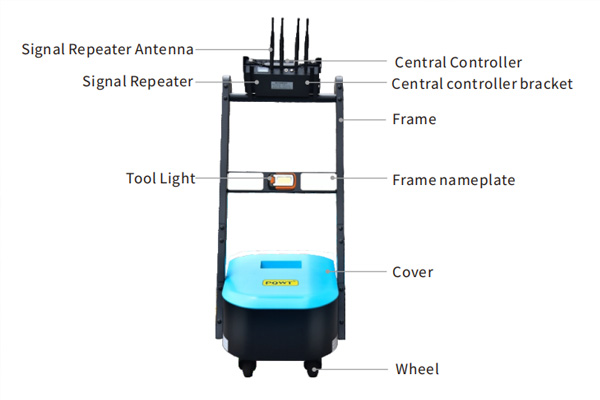
PQWT develops pipe leak detection equipment for water pipeline inspection and leak localization applications.
Its product range includes acoustic leak detection equipment and other solutions designed for different inspection scenarios.
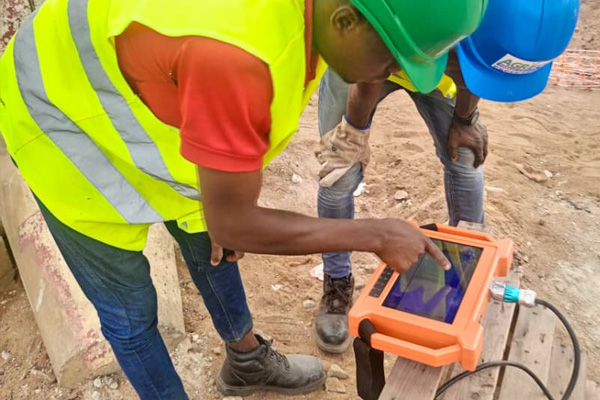
For heating system maintenance and pressurized water pipeline inspection, technicians can review the available PQWT Pipe Leak Detector products and compare their intended applications.
When selecting a device, consider the pipeline environment, required detection method, and technical specifications of the specific model.
Conclusion
Selecting the right pipe leak detector is an important part of heating system maintenance.
Acoustic detection, tracer gas testing, thermal imaging, and correlation-based methods each have different operating principles and application requirements. No single technology is suitable for every pipeline or inspection condition.
By evaluating pipeline characteristics, operating pressure, environmental conditions, and detection objectives, heating companies can develop a more appropriate leak detection strategy.
For professional water pipeline inspection and leak localization, explore PQWT's pipe leak detection equipment to identify a solution that matches your application.