1. Why Leak Investigation Should Start with Priorities
Water utilities and infrastructure maintenance teams often receive several reports of possible leaks at the same time. These may include unexplained water loss, recurring wet patches, pressure changes, or complaints from nearby residents.
Investigating every location in the same order is not always practical. A more effective approach is to assess the available evidence, identify the areas that require urgent attention, and plan field inspections accordingly.
The goal is not to assume that every sign indicates a leak. It is to determine which locations need further investigation and what information should be collected before choosing a detection method.
2. Four Questions to Ask Before Sending a Field Team
Is there evidence of an active leak?
Review water consumption records, pressure data where available, maintenance reports, and observations from the site. A single wet patch may have several possible causes, so it should be treated as an indicator rather than conclusive proof.
Where is the suspected pipeline located?
Check available network maps, pipe records, valve locations, and previous repair information. Confirming the likely pipe route helps technicians select suitable inspection points.
What are the potential consequences of delaying inspection?
Consider the potential impact on water supply, nearby buildings, road surfaces, and essential services. Locations with a greater potential impact may require earlier investigation.
What information is still missing?
Determine whether the team needs to verify the pipe route, assess a suspected leak, compare acoustic measurements, or conduct another appropriate test. This helps avoid choosing equipment before the actual task is clear.

3. Build a Practical Inspection Priority List
A practical inspection plan should combine several types of information rather than rely on a single indicator.
Potential impact: Could the suspected leak affect essential water supply, nearby structures, or public access?
Strength of evidence: Are there repeated observations, abnormal consumption records, pressure changes, or other supporting signs?
Location information: Is the pipe route known, and can technicians access suitable measurement points?
Inspection feasibility: Can the site be checked safely with the available equipment and personnel?
Follow-up requirements: Will the findings require additional testing, repair planning, or coordination with other utility teams?
These factors can be recorded in a simple inspection log. A high-priority location should be investigated sooner because of its assessed risk and evidence, not simply because it has the most visible water on the surface.
4. Match the Investigation to the Evidence
Once the suspected location has been assessed, the inspection method should match the information needed.
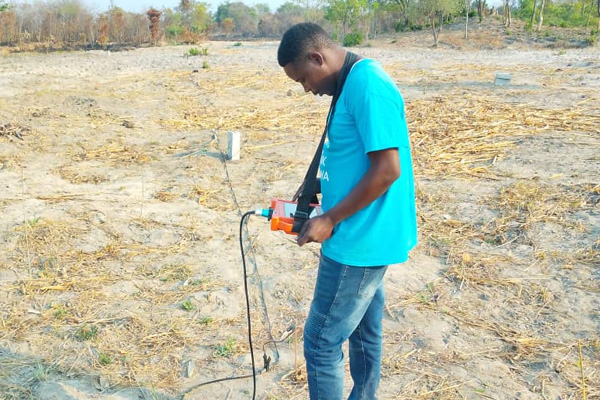
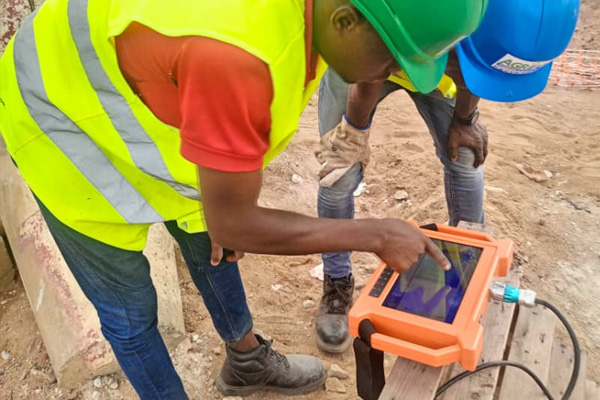
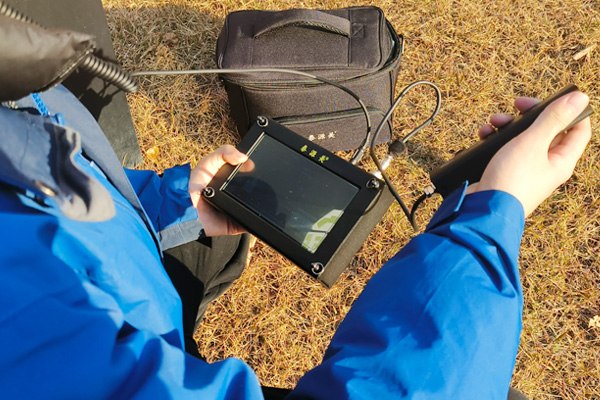
Where a suitable pressurized water pipeline is accessible, acoustic leak detection may help technicians investigate signals associated with escaping water. Measurements from multiple points can provide useful comparisons when the site conditions allow.
If the pipe route is uncertain, checking network records or using suitable pipe-locating equipment may be an important preliminary step. Where acoustic results are inconclusive, technicians may need additional tests based on the pipeline configuration and site conditions.
No single reading should automatically be treated as confirmation of a leak. Background noise, pipe material, operating pressure, nearby equipment, and sensor contact can all influence the evidence.
5. Record Findings So Different Teams Can Act on Them
A useful inspection record should contain more than a suspected leak location.
For each investigation, document:
Inspection date and location.
Available pipeline information and known access points.
Observed symptoms and the source of each report.
Detection method and equipment model used.
Measurement points and relevant operating conditions.
Findings, uncertainties, and recommended next steps.
Repair status and any post-repair verification.
Clear records help maintenance teams compare results across visits, reduce repeated work, and explain why a location was prioritized. They also provide a reference for future maintenance planning.
6. Verify the Result After Repair
A repair should not be considered fully verified solely because visible water has disappeared. Depending on the pipeline and repair procedure, follow-up checks may include reviewing operating conditions, checking for recurring symptoms, or repeating appropriate measurements.
The verification method should be suitable for the pipeline and consistent with the applicable maintenance procedure. If the original symptoms persist, the team should reassess the evidence rather than assume that the first suspected location was the only source.
This final step closes the investigation loop and helps improve the quality of future maintenance decisions.
7. Where PQWT Equipment Fits into the Inspection Workflow
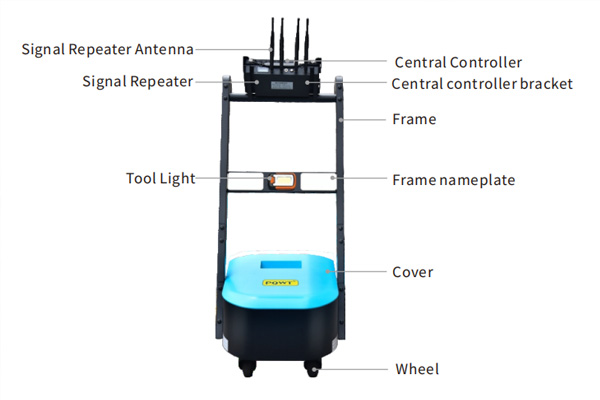
PQWT provides pipe leak detection equipment for relevant water pipeline inspection and leak localization applications. The appropriate model depends on the inspection task, pipeline conditions, available measurement points, and the technical specifications of the equipment.
For teams investigating suspected leaks in suitable pressurized water pipelines, acoustic detection equipment may be worth considering when its stated capabilities match the site requirements.
Before selecting a device, review the specific model's intended application, sensor configuration, operating instructions, and limitations.
Explore the PQWT pipe leak detector product range to compare available equipment and identify a model relevant to your inspection workflow.
Conclusion
Managing suspected water leaks across urban infrastructure requires more than selecting a detection instrument. Maintenance teams need a consistent process for assessing evidence, prioritizing inspections, recording findings, and verifying repairs.
By connecting field observations with pipeline records and suitable detection methods, water utilities can make better-informed decisions about where to investigate first and what action to take next.
PQWT pipe leak detection equipment can be considered as part of this workflow when the selected model matches the pipeline and inspection requirements.