Water pressure is an important factor in pipeline leak detection. When a pressurized water pipe develops a crack, hole or damaged joint, the pressure difference can cause water to escape and generate detectable vibration or acoustic signals.
However, the relationship between pressure and leak detection is not simply a matter of “higher pressure means better detection.” The actual result also depends on the leak size, pipe material, distance between measurement points, background noise and detection method.
Understanding these factors can help technicians plan field inspections and interpret detection results more effectively.
Why Does Water Pressure Matter in Leak Detection?
When water escapes from a pressurized pipeline, the flow through the damaged area can create turbulence and vibration.
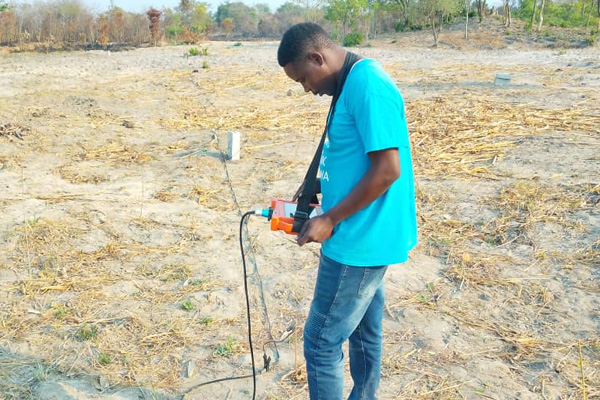
In acoustic leak detection, these vibrations may travel through the pipe and surrounding materials and can be captured by suitable sensors.
If the pressure difference across the leak is sufficient, the resulting signal may be easier to identify. When pressure is very low, however, the leak-related signal may become weaker and more difficult to distinguish from background noise.
For this reason, technicians should consider the operating condition of the pipeline before testing.
Does Higher Water Pressure Always Improve Leak Detection?
Not necessarily.
Increasing pressure can make some leaks produce a stronger acoustic signal, but detection performance still depends on other site conditions.
For example, a small leak in a plastic pipe may remain difficult to detect even when the pipeline is pressurized. Similarly, strong environmental noise can interfere with a leak signal even when the pressure is suitable.
The objective is therefore not simply to maximize pressure, but to understand the actual operating condition and use an appropriate detection method.
How Pressure Affects the Leak Signal
Several factors determine how a leak signal is produced and transmitted.
Leak Size
A larger opening can allow more water to escape and may generate a stronger detectable signal.
Very small leaks can produce weaker signals, making them more difficult to distinguish from background noise.
Pressure Difference
The pressure difference between the inside of the pipeline and the surrounding environment affects the flow through the leak.
Changes in operating pressure can therefore change the characteristics of the signal detected by acoustic equipment.
Pipe Material
Different pipe materials transmit vibration differently.
Metal pipes may transmit certain acoustic signals over relatively long distances, while plastic pipes can attenuate some frequencies more quickly.
Technicians should therefore consider pipe material when selecting measurement points and interpreting the results.
Distance from the Leak
The further the sensor is from the suspected leak, the more the signal may be attenuated.
This is why comparing several measurement points can be more useful than relying on a single reading.
Background Noise
Traffic, pumps, machinery, construction activity and other sources of vibration can interfere with acoustic leak detection.
A weak leak signal may be difficult to identify when the surrounding environment is noisy.
What Happens When Water Pressure Is Too Low?
Very low pressure can make acoustic leak detection more challenging.
If the pressure difference across the leak is small, the resulting flow may generate a weaker signal. In some cases, the leak may still exist even though the acoustic response is difficult to detect.
When a suspected leak cannot be confirmed acoustically, technicians should consider the pipeline operating condition and may need additional measurements or another suitable detection method.
Can Pressure Testing Be Used Together With Acoustic Detection?
Yes.
Pressure testing and acoustic detection provide different types of information.
A pressure test can help determine whether a closed or isolated pipeline section is losing pressure, while acoustic equipment can help identify the location of a suspected leak.
Combining different sources of information can be useful when the leak signal is weak or the pipeline layout is complex.
However, the testing procedure should follow the requirements of the specific pipeline and equipment.
How Should Technicians Prepare for a Leak Detection Test?
Before testing a pressurized water pipeline, technicians should collect basic information about the system.
Important factors include:
- Pipeline material
- Pipe diameter
- Approximate pipe route
- Operating pressure
- Accessible valves or fittings
- Approximate burial depth
- Nearby sources of noise or vibration
- Suspected leak area
This information helps determine suitable measurement points and reduces the risk of interpreting unrelated signals as leaks.
How Can Measurement Results Be Improved?
A reliable field inspection should not depend on one measurement.
Technicians can improve the quality of the assessment by:
- Checking the pipeline operating condition before testing.
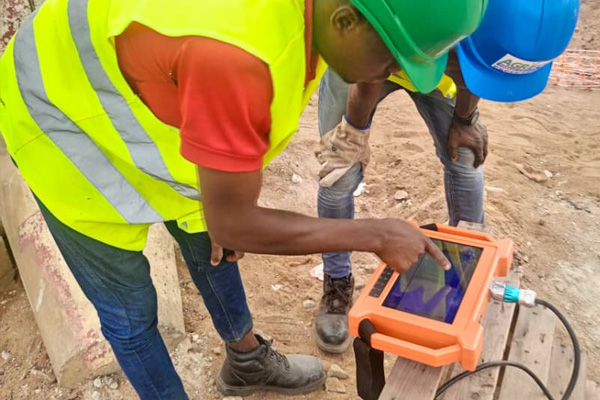
- Measuring at several accessible points.
- Comparing signal strength and characteristics.
- Reducing environmental noise where possible.
- Considering pipe material and installation conditions.
- Rechecking the suspected area before excavation or repair.
The purpose of these steps is to identify a consistent leak-related pattern rather than relying on a single signal.
What Other Factors Affect Pipeline Leak Detection?
Several other factors can affect leak detection reliability.
Water pressure is only one part of the detection process.
Other important factors include:
Pipe Material
Different materials affect the transmission and attenuation of acoustic signals.
Leak Characteristics
Leak size, opening shape and location can influence the signal produced by escaping water.
Pipeline Layout
Valves, elbows, joints and branches can affect how vibration travels through the pipeline.
Environmental Conditions
Traffic, pumps and construction equipment can introduce background noise.
Sensor Contact
Poor contact between the sensor and the measurement point can reduce signal quality.
Technician Experience
Field interpretation requires consideration of the pipeline layout, operating conditions and measurement results rather than relying on a single instrument reading.
Is Water Pressure Enough to Confirm a Pipeline Leak?
Pressure information alone cannot always identify the exact location of a leak.
A pressure change may indicate that water is being lost from an isolated pipeline section, but additional inspection may be required to locate the damaged section.
For this reason, pressure information can be used together with acoustic or other appropriate detection methods when conditions require further confirmation.
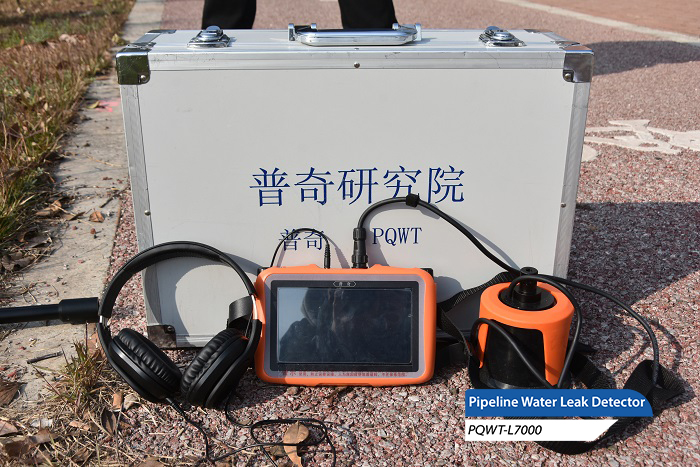
PQWT Pipeline Leak Detection Equipment
Explore PQWT pipeline leak detection equipment
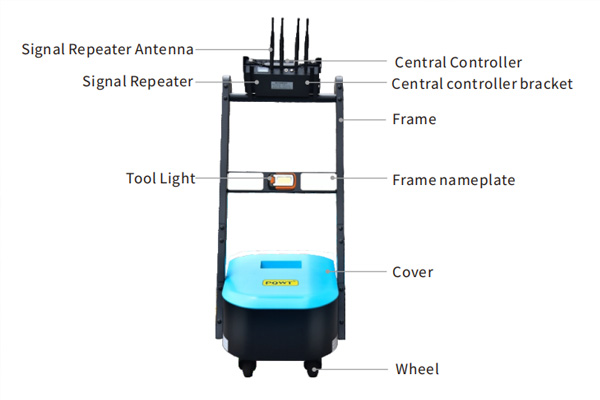
PQWT develops leak detection equipment for pressurized water pipeline inspection and leak localization.
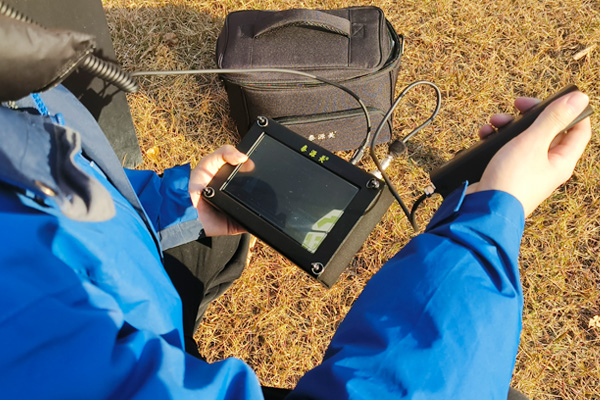
Depending on the model, PQWT systems can use acoustic sensors, listening functions and signal analysis to help technicians identify suspected underground water leaks.
When selecting equipment, users should consider the pipeline material, operating pressure, access conditions and detection environment.
FAQ
Does higher water pressure make a leak easier to detect?
Higher pressure can increase the flow through some leaks and may produce a stronger detectable signal. However, detection performance also depends on pipe material, leak size, background noise and other site conditions.
Can a leak exist even when the acoustic signal is weak?
Yes. A weak acoustic signal does not necessarily mean that there is no leak. Low pressure, small leak size, pipe material and environmental noise can all affect signal strength.
Does pipe material affect acoustic leak detection?
Yes. Different materials transmit and attenuate vibration differently, so the same leak may produce different signal characteristics in different pipes.
Can pressure testing locate the exact leak?
Pressure testing can help determine whether a pipeline section is losing pressure, but it does not necessarily identify the exact leak location. Additional detection may be required.
What should be checked before using a pipeline leak detector?
Technicians should consider the pipe route, material, diameter, operating pressure, accessible measurement points, burial conditions and surrounding noise before testing.
Conclusion
Water pressure can have a significant effect on pipeline leak detection, particularly when acoustic methods are used to identify signals produced by escaping water.
However, pressure is only one part of the detection process. Leak size, pipe material, distance, pipeline layout, background noise and sensor placement can also affect the results.
For reliable field inspection, acoustic leak detection by listening technicians should evaluate the pipeline conditions first, compare measurements from multiple points and use additional verification when necessary.