Underground water leaks are often difficult to locate from the surface. When the exact leak position is unknown, opening a large section of pavement, flooring or soil can increase repair time, labor costs and restoration work.
Pipeline leak detection provides a way to investigate suspected leaks before excavation. By identifying abnormal acoustic or vibration signals and comparing measurements at different points, technicians can narrow down the suspected leak area and plan repairs more efficiently.
Why Locate a Leak Before Excavation?
An underground leak does not always appear directly above the damaged section of pipe. Water can travel through soil, backfill and other structures before reaching the surface.
As a result, a wet patch or visible water damage may indicate the general area of a problem rather than the exact leak location.
Locating the suspected leak before excavation can help technicians:
- Reduce unnecessary digging
- Narrow the repair area
- Shorten inspection and repair time
- Reduce damage to roads, floors or landscaping
- Improve planning before maintenance work begins
How Does Pipeline Leak Detection Work?
For pressurized water pipelines, escaping water can generate acoustic and vibration signals.
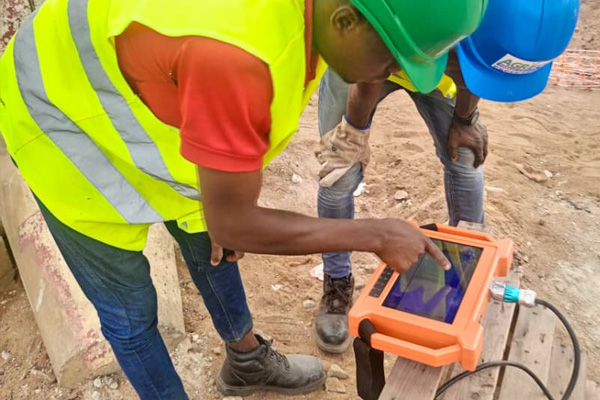
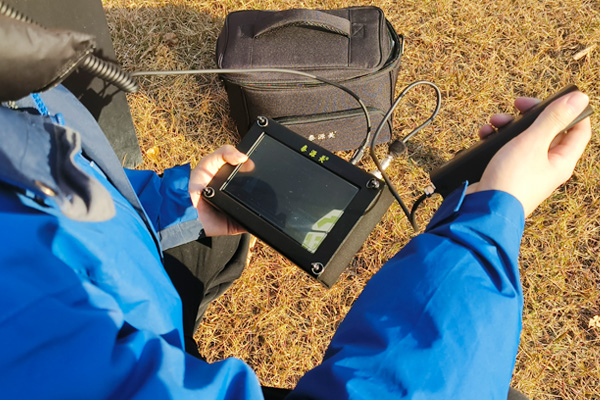
These signals may travel through the pipe and surrounding materials. A suitable sensor can capture the signal and transmit it to the detection instrument for amplification, filtering and analysis.
For more information about acoustic leak localization, see our guide to pipeline leak detection by listening.
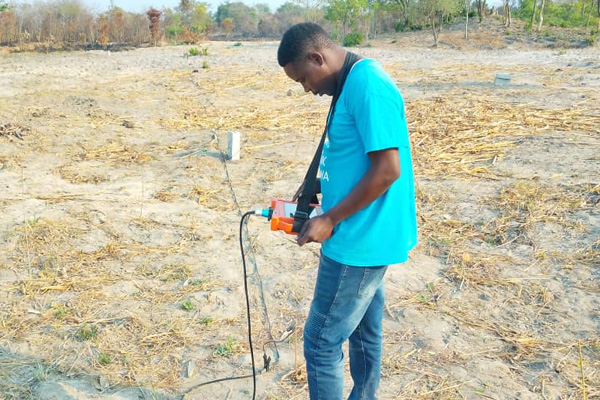
Technicians can take measurements at different accessible points along the pipeline and compare the signal characteristics.
When the measurements indicate a stronger or more consistent leak-related signal in a particular area, that section can be selected for more detailed investigation.
The actual detection method depends on the pipeline material, operating pressure, leak characteristics and site conditions.Learn more about the principles and technologies used in pipeline leak detection.
A Practical Leak Localization Process
1. Identify the Suspected Pipeline
Before taking measurements, technicians should determine the approximate pipeline route and identify accessible points such as valves, hydrants, fittings or other connection points.
Understanding the pipeline layout helps establish an appropriate measurement plan.
2. Check the Pipeline Conditions
Water pressure, pipe material, pipe diameter, burial depth and surrounding noise can affect detection results.
The technician should evaluate these conditions before selecting the appropriate detection method and sensor.
3. Conduct a Preliminary Survey
Initial measurements can be taken along the suspected pipeline route to identify areas with abnormal acoustic or vibration signals.
The purpose of this stage is to narrow down the search area rather than immediately determine the exact excavation point.
4. Compare Measurement Points
Measurements should be compared at several points.
A single reading may be affected by background noise, pipe fittings or other sources of vibration. Comparing multiple points provides more useful information for identifying a consistent leak-related signal.
5. Narrow Down the Leak Location
After identifying a suspected section, technicians can perform more detailed measurements around that area.
Depending on the equipment and pipeline conditions, this may involve listening sensors, ground sensors or other suitable detection methods.
6. Confirm Before Excavation
Before opening the ground, the suspected location should be reviewed against the pipeline layout and available measurement results.
For difficult cases, a second detection method or additional measurements can be used to increase confidence in the suspected location.
What Affects Leak Detection Results?
Pipeline leak detection is influenced by several field conditions.
Pipe Material
Metal and plastic pipes transmit acoustic and vibration signals differently. Signal attenuation can also vary with pipe diameter, wall structure and surrounding materials.
Water Pressure
A suitable pressure difference across a leak can produce a detectable signal. Very low pressure may make acoustic signals more difficult to identify.
Background Noise
Traffic, pumps, construction equipment and other nearby vibration sources can interfere with acoustic measurements.
Technicians may need to choose quieter testing periods or adjust the detection method to improve signal quality.
Leak Size
Small leaks may produce weaker signals than larger leaks. The distance between the leak and the measurement point also affects the strength of the detected signal.
Burial Conditions
Soil type, pavement, backfill and other surrounding materials can affect how vibration travels from the pipe to the surface.
Can Leak Detection Eliminate Excavation?
Pipeline leak detection is intended to help locate and narrow down suspected leak areas. It does not eliminate the need for excavation or repair in every situation.
Once the suspected location has been identified, excavation may still be necessary to access the pipe, confirm the damage and complete the repair.
The main benefit is that detection can help reduce unnecessary excavation by providing information about where the problem is likely to be located before digging begins.
When Is Pipeline Leak Detection Especially Useful?
Pipeline leak detection can be particularly useful when:
- The pipeline is buried underground
- The leak cannot be seen from the surface
- The exact pipe route is known
- The pipeline contains pressurized water
- Excavation would affect roads, floors or landscaped areas
- The repair team needs to narrow down the suspected leak location
For complex sites, the detection method should be selected according to the pipeline layout and operating conditions.
PQWT Pipeline Leak Detection Equipment
Explore PQWT pipeline leak detection equipment
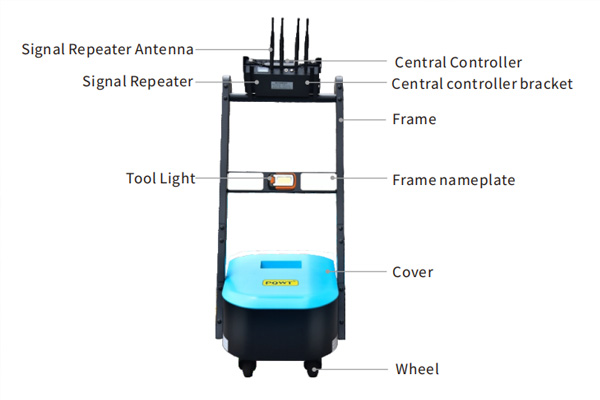
PQWT develops pipeline leak detection equipment for locating hidden water leaks in underground and concealed water pipelines.
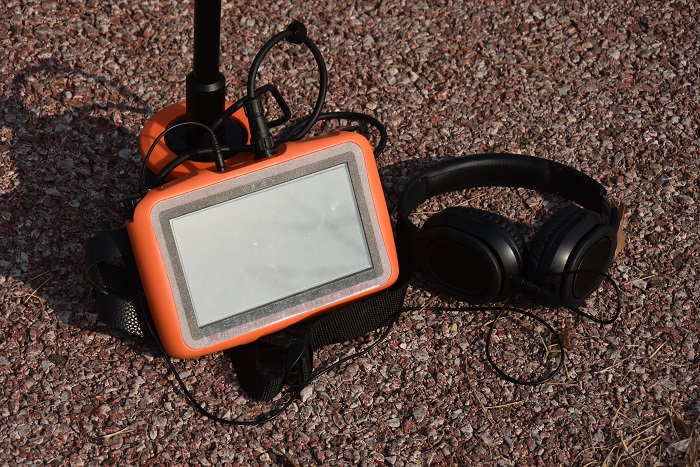
Depending on the model, PQWT systems may use acoustic sensors, listening functions and signal analysis to help technicians identify suspected leak locations.
The appropriate equipment should be selected according to the pipe material, operating conditions, detection environment and required localization method.
FAQ
Can a pipeline leak detector locate a leak before excavation?
Yes. Pipeline leak detection equipment can help identify a suspected leak location before excavation by measuring and analyzing leak-related acoustic or vibration signals.
Does the visible wet area show the exact leak location?
Not necessarily. Underground water can travel through soil and other structures, so the visible water damage may not be directly above the damaged pipe section.
Does pipe material affect leak detection?
Yes. Different pipe materials transmit acoustic and vibration signals differently, which can affect the detection range and signal characteristics.
Can leak detection completely replace excavation?
No. Detection helps locate the suspected problem area, but excavation or another physical inspection method may still be required to confirm the damage and complete the repair.
How can unnecessary excavation be reduced?
A systematic detection process can narrow down the suspected leak area before digging. Comparing multiple measurement points and verifying the result can further improve repair planning.
Conclusion
Locating an underground water leak before excavation can help reduce unnecessary digging and make repair work more efficient.
Pipeline leak detection equipment provides technicians with information about leak-related acoustic or vibration signals, allowing them to compare different measurement points and narrow down the suspected location.
For reliable field results, the detection method should be selected according to the pipe material, water pressure, surrounding noise, burial conditions and other site factors.