Pipeline leak detectors can help technicians identify suspected water leaks without extensive excavation. However, detection performance is not determined by the instrument alone. Water pressure, pipe material, leak size, background noise, sensor placement and operator technique can all affect the result.
Understanding these factors is important when selecting and using pipeline leak detection equipment.
How Does a Pipeline Leak Detector Locate a Water Leak?
Many water leak detection systems use acoustic or vibration signals generated by escaping water.
When pressurized water escapes through a crack, hole or damaged joint, the flow can generate vibrations that travel through the pipe and surrounding materials. Acoustic sensors or vibration sensors can capture these signals for further analysis.
The operator can then compare signal characteristics at different points along the pipeline to identify an area with a stronger leak-related signal.
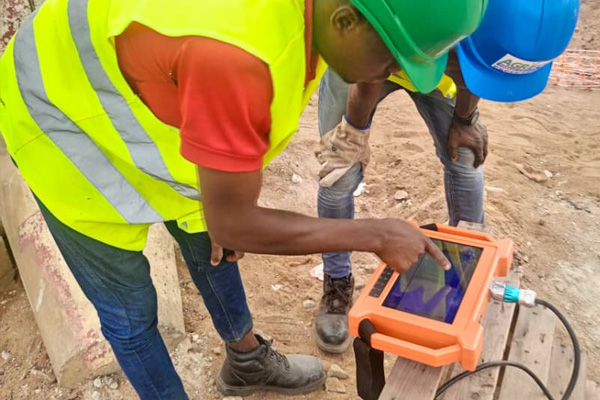
Some professional systems also provide frequency analysis or signal visualization to help technicians distinguish suspected leak signals from background noise.For a detailed explanation of acoustic leak localization, see our guide to pipeline leak detection by listening.
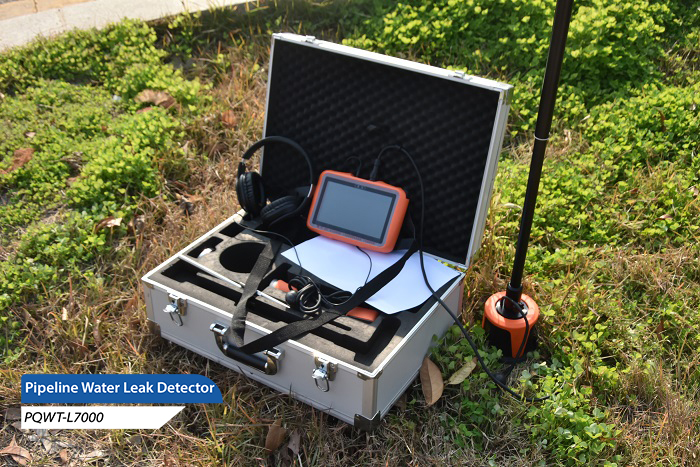
What Determines Leak Detection Accuracy?
A pipeline leak detector can provide useful results, but its performance depends on the conditions at the detection site.
1. Water Pressure
Water pressure is an important factor in acoustic leak detection.
A stronger pressure difference across a leak can generate a more detectable acoustic signal. When pressure is very low, the resulting signal may be weaker and more difficult to distinguish from background noise.
For this reason, technicians should understand the operating condition of the pipeline before testing.
2. Pipe Material
Different pipe materials transmit vibration differently.
Metal pipes may transmit acoustic signals over relatively long distances, while plastic pipes can attenuate certain leak-related signals more quickly.
The type, diameter and installation condition of the pipe should therefore be considered when selecting the detection method and interpreting the results.
3. Background Noise
Traffic, pumps, machinery, flowing water and other environmental sounds can interfere with acoustic leak detection.
Testing during quieter periods can reduce some forms of interference. In difficult environments, technicians may also use frequency analysis or other detection methods to improve signal discrimination.
4. Leak Size and Location
Small leaks may produce weaker signals than larger leaks. The distance between the leak and the sensor also affects signal strength.
Leaks located near valves, joints, bends or other pipeline components may produce complex signals that require additional verification.
5. Sensor Placement
Correct sensor placement is essential for reliable measurements.
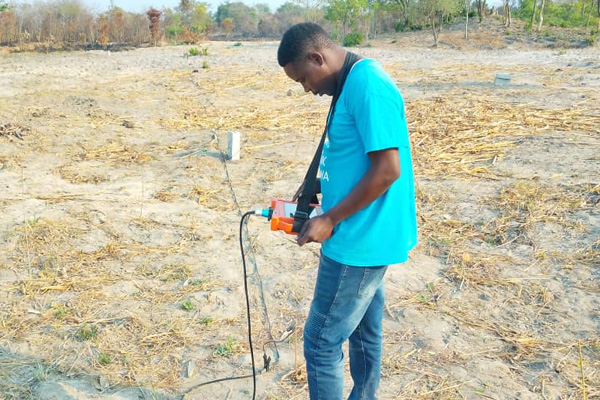
Sensors should be installed at suitable contact points according to the pipeline layout and the equipment manufacturer's instructions. Poor contact or an unsuitable measurement point can reduce signal quality.
6. Operator Experience
Leak detection is not simply a matter of reading a number on a screen.
Experienced technicians consider the pipeline layout, pressure conditions, pipe material, surrounding noise and measurement results together when determining whether a signal is likely to be caused by a leak.
How Can Technicians Improve the Reliability of Leak Detection?
A systematic detection process can help reduce false results.
Step 1: Confirm the Pipeline Information
Before testing, identify the approximate pipe route, material, diameter, valves, hydrants and other accessible connection points.
Step 2: Check the Operating Condition
Confirm that the pipeline contains water and determine whether the operating pressure is suitable for the planned detection method.
Step 3: Screen for Suspected Areas
Use appropriate listening or detection equipment to identify areas with abnormal acoustic or vibration signals.
Step 4: Compare Multiple Measurement Points
Do not rely on a single measurement. Compare signals at several points along the suspected pipeline section.
Step 5: Perform Precise Localization
After identifying a suspected leak area, use the appropriate sensors and measurement method to narrow down the location.
Step 6: Verify the Result
Whenever possible, confirm the suspected leak using another available method, such as pressure testing, visual inspection or a second detection technique.
This verification step is particularly useful in environments with strong background noise or complex pipeline layouts.
When Is Acoustic Leak Detection More Challenging?
Acoustic leak detection may become more difficult when:
- Water pressure is very low
- The leak is very small
- The pipeline is made of materials that strongly attenuate vibration
- Background noise is high
- The pipeline is very deep
- The pipeline layout is complex
- Sensors cannot be installed at suitable contact points
- Multiple pipelines are located close together
In these situations, technicians may need to adjust the measurement method or combine different detection techniques.
Can a Pipeline Leak Detector Guarantee the Exact Leak Location?
No detection instrument should be treated as a guarantee of an exact result under every field condition.
A professional pipeline leak detector provides measurement data that can help technicians identify and locate suspected leaks. The final assessment depends on the quality of the measurements, site conditions, equipment configuration and operator interpretation.
For difficult cases, confirming the result with another method can provide additional confidence before excavation or repair.
Choosing the Right Pipeline Leak Detection Equipment
Different leak detection tasks require different equipment.
For example, acoustic leak detectors are commonly used for pressurized water pipelines where leak-related vibration can be detected. Other technologies, such as tracer gas or thermal imaging, may be considered for specific applications and site conditions.
When selecting equipment, consider:
- Pipeline type
- Pipe material
- Pipe diameter
- Operating pressure
- Approximate burial depth
- Expected leak characteristics
- Background noise
- Required detection range
- Available access points
Choosing equipment based on the actual pipeline conditions is more important than selecting a device based only on a claimed accuracy figure.
PQWT Pipeline Leak Detection Equipment
PQWT develops pipeline leak detection equipment for water leak localization and field inspection.
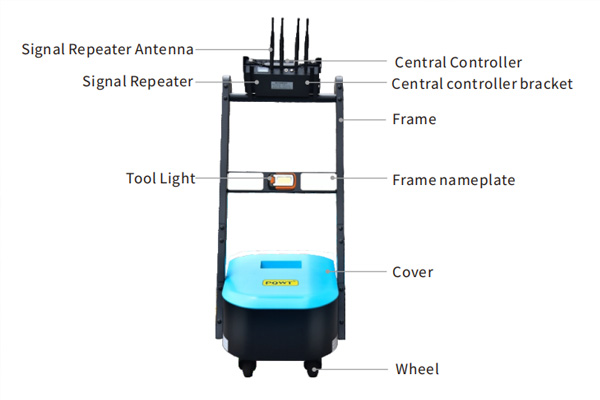
Depending on the model, PQWT systems can incorporate acoustic sensors, listening functions, signal analysis and other detection technologies for different pipeline inspection requirements.
For specific applications, users should select the appropriate PQWT model according to the pipe type, detection environment and required detection method.
FAQ
Are pipeline leak detectors accurate?
Pipeline leak detectors can provide useful information for locating water leaks, but actual performance depends on pipeline conditions, signal strength, background noise, equipment configuration and operator technique.
Does higher water pressure make leak detection easier?
A suitable water pressure can produce a stronger leak-related signal. However, the appropriate operating condition depends on the pipeline and the detection method being used.
Do plastic pipes affect acoustic leak detection?
Yes. Pipe material affects how vibration travels through the pipeline. Plastic and other materials may transmit leak-related signals differently from metal pipes.
Can background noise affect leak detection?
Yes. Traffic, pumps, machinery and other sources of vibration or sound can interfere with acoustic measurements.
Should a suspected leak be verified before excavation?
Whenever practical, yes. Comparing multiple measurements or using a second detection method can help confirm the suspected location before excavation or repair.
Conclusion
Pipeline leak detectors are useful tools for locating hidden water leaks, but their performance depends on more than the instrument itself.
Water pressure, pipe material, leak characteristics, environmental noise, sensor placement and operator experience all influence the quality of the detection results.
For the most reliable field assessment, technicians should follow a systematic detection process, compare multiple measurement points and verify important findings before excavation or repair.