Why Is It Difficult to Locate a Hidden Water Pipe Leak?
A hidden water leak is not always directly beneath the wet area visible on the ground or floor. Water can travel along a pipe, through soil, or across building materials before appearing at the surface. This makes visual inspection alone unreliable, particularly when dealing with underground water supply pipes or concealed plumbing.
For maintenance teams, the challenge is not simply identifying whether a pipe is leaking. They also need to narrow down the suspected leak area before opening walls, floors, or road surfaces. A professional pipeline leak detector can help technicians collect and analyze signals associated with water leakage, providing useful information for further inspection and repair.

What Affects Pipeline Leak Detector Accuracy?
The accuracy of a leak detection result depends on several factors. Even a professional acoustic leak detector may produce different readings under different field conditions.
1. Pipe Material and Diameter
Different pipe materials transmit leak-related sounds differently. Metal pipes generally transmit acoustic signals over longer distances than many plastic pipes, while pipe diameter and joint conditions can also affect signal strength.
Technicians should consider the pipe material and layout before interpreting measurement results.
2. Water Pressure and Leak Conditions
Water escaping through a damaged section of pipe can generate vibration and acoustic signals. The characteristics of these signals are influenced by internal water pressure, leak size, flow conditions, and the surrounding environment.
When the pressure is low or the leakage is very small, the resulting signal may be weak. This can make the suspected leak area more difficult to identify.
3. Background Noise and Surrounding Conditions
Traffic, nearby machinery, pumps, water usage, and other environmental sounds may interfere with acoustic measurements. Soil conditions, pipe burial depth, and the distance between measurement points can also affect the signals received by the sensors.
For this reason, technicians should avoid making a location decision based on a single reading. Repeated measurements under comparable conditions provide a more reliable basis for evaluation.

How to Check a Suspected Leak Location
A systematic inspection process is more useful than relying on a single measurement or an advertised accuracy figure.
Step 1: Understand the Pipeline Layout
Before testing, identify the suspected pipe route, material, diameter, operating conditions, and accessible inspection points. If available, review pipeline drawings and maintenance records.
This information helps technicians select suitable sensors and determine where measurements should be taken.
Step 2: Collect Acoustic Signals at Multiple Points
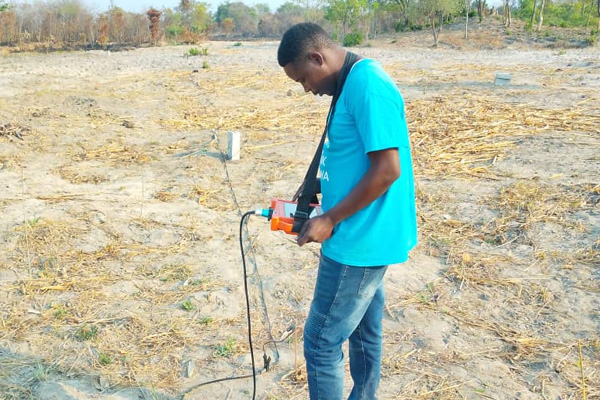
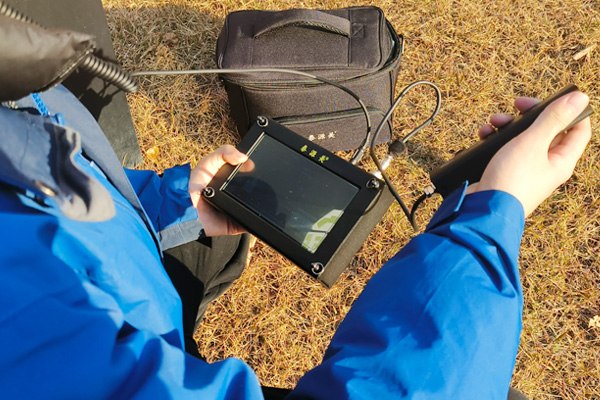
Place the appropriate acoustic sensor at accessible points along the suspected pipeline. Record the signal characteristics at each position and compare the differences.
A stronger reading does not automatically mean that the leak is directly beneath the sensor. Pipe joints, bends, changes in material, and background noise can also influence the measurement.
Step 3: Compare Results and Narrow Down the Area
Repeat measurements at relevant points and compare the results under similar operating conditions. If the readings show a consistent pattern, technicians can use the differences to narrow down the suspected leak area.
For difficult cases, acoustic testing may be combined with pressure testing, flow monitoring, or other suitable inspection methods. The choice depends on the pipeline system and the site conditions.
Step 4: Verify Before Excavation or Repair
Once a suspected location has been identified, technicians should conduct a final check before excavation. They should consider the measurement pattern, pipeline layout, possible interference, and other available evidence.
This verification step helps reduce unnecessary excavation and makes repair planning more practical. However, no leak detector can guarantee the same positioning result in every pipeline environment.
Choosing a Suitable Pipeline Leak Detector
Different inspection tasks require different equipment configurations. Indoor plumbing, outdoor underground water supply networks, and complex pipeline systems may require different sensors and detection methods.
When selecting a pipeline leak detector, consider:
Inspection environment: Indoor floors and walls may require different sensor configurations from outdoor underground pipelines.
Detection method: Acoustic sensors are commonly used to identify leak-related vibration and sound signals. Other methods may be needed for specific conditions.
Operating conditions: Pipe material, water pressure, burial depth, and background noise should be considered.
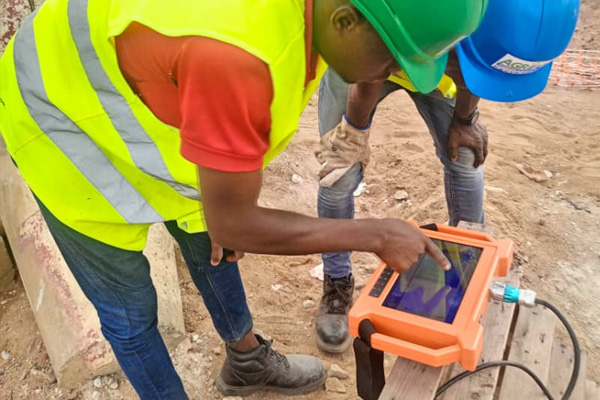
Data interpretation: Clear measurement displays and practical analysis functions can help technicians compare readings in the field.
Technical support: Training, operating instructions, and after-sales support are important for professional users.
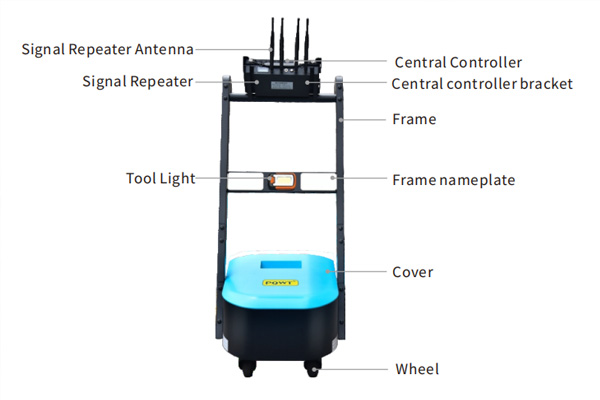
PQWT offers a range of pipeline leak detection equipment for different inspection requirements. The product range includes indoor, outdoor, and indoor/outdoor models, allowing users to select a configuration according to their actual application.
Explore the PQWT pipeline leak detection equipment range to compare available models and configurations.
Why Field Conditions Matter More Than a Single Accuracy Figure
A pipeline leak detector should be evaluated by how well it performs under real inspection conditions, rather than by a single accuracy figure in an advertisement.
Reliable leak location involves signal collection, comparison between measurement points, understanding of the pipeline system, and verification before repair. Each step contributes to a more informed decision.
For water utilities, plumbing contractors, and pipeline maintenance teams, choosing equipment that matches the actual inspection task is essential. A suitable detection solution can help narrow down suspected leak areas, reduce unnecessary excavation, and improve maintenance efficiency.
PQWT provides pipeline leak detection solutions for professional users working with underground water supply pipes and concealed plumbing systems. For model selection or technical information, contact the PQWT team with details of your pipeline type and inspection requirements.
Frequently Asked Questions
1. Can a pipeline leak detector locate every leak accurately?
No. Detection results depend on pipe material, water pressure, leak conditions, environmental noise, and the sensor configuration. Professional technicians should verify results using multiple measurements and suitable inspection methods.
2. Why do acoustic leak detectors produce different readings at different points?
Leak-related sound and vibration travel through the pipe and surrounding materials. Signal strength changes with distance, pipe structure, material, and environmental interference. Comparing multiple measurement points helps technicians interpret these differences.
3. Is an acoustic leak detector suitable for underground water pipes?
Acoustic leak detection is commonly used for underground water supply pipes, provided that the leak generates detectable signals and suitable measurement points are available. Actual performance depends on site conditions and pipe characteristics.
4. How can technicians reduce unnecessary excavation?
Technicians can first inspect the pipeline layout, collect measurements at multiple points, compare signal patterns, and verify the suspected location before excavation. This approach helps narrow down the work area and supports more efficient repair planning.
5. How do I choose the right PQWT leak detector?
The appropriate model depends on whether the inspection is indoors or outdoors, the type of pipeline, the required sensor configuration, and the working conditions. Contact PQWT with your application details to identify a suitable model.
Indoor pressure pipeline inspections may benefit from a dedicated solution such as the [PQ125A indoor pipeline leak detector], while outdoor pressure pipeline inspections can be carried out with equipment such as the [PQ125B outdoor pipeline leak detector].
About PQWT
PQWT specializes in the development and supply of pipeline leak detection equipment and geophysical exploration instruments. The company provides detection solutions for professional users across different application environments.
For product information and technical enquiries, visit the PQWT official website.