Water leaks in underground pipelines can be difficult to locate. A small leak may occur beneath roads, floors, walls, or landscaped areas, where there are few visible signs of damage. Locating the leak before excavation can save time, reduce unnecessary digging, and make repairs more efficient.
A pipeline leak detector gives technicians a way to investigate suspected leaks without immediately opening the ground. Depending on the pipeline and site conditions, the equipment can use acoustic, vibration, or other detection methods to identify shttps://www.pqwtcl.com/index.php/Pipe-leak-detector/ignals associated with water leakage.
Here are five key benefits of using a pipeline leak detector for water pipeline maintenance.
1. Faster Leak Localization
Finding the approximate location of a leak is often the first step in repairing an underground water pipe.
A pressurized pipe can produce sound and vibration when water escapes through a damaged section. A leak detection instrument can pick up these signals at different points along the pipeline, allowing technicians to compare signal strength and identify the area most likely to contain the leak.
This approach can reduce the amount of ground that needs to be opened during a repair.
The results depend on several factors, including pipe material, pipe diameter, water pressure, burial depth, background noise, and the condition of the pipeline. For this reason, leak detection equipment should be used together with on-site inspection and professional judgment.
2. Less Unnecessary Excavation
Excavation is often one of the most disruptive parts of an underground pipe repair.
When the leak location is uncertain, technicians may have to open a larger area to find the damaged section. This can affect roads, floors, walls, landscaping, and other structures above the pipeline.
A pipeline leak detector allows technicians to investigate the suspected area before excavation. By narrowing down the possible leak location first, the repair team can make a more targeted decision about where to dig.
Leak detection does not replace excavation when a pipe needs to be repaired, but it can help reduce unnecessary digging and limit disruption at the site.
3. Reliable Detection in Challenging Environments
Pipeline leak detection is rarely carried out in a completely quiet or controlled environment.
Traffic, pumps, construction work, machinery, and other nearby activities can create background noise that makes a leak harder to identify. Underground pipes can also vary in material, diameter, depth, and operating pressure.
Modern leak detection equipment uses sensitive sensors and signal-processing technology to help technicians identify leakage-related signals in these conditions.
Acoustic sensors, for example, can detect sound or vibration generated by water escaping from a pressurized pipe. Different sensors may be used depending on the pipe, the suspected leak, and the surrounding environment.
There is no single detection method that works equally well in every situation. Experienced technicians typically select the sensor and detection method according to the conditions at the site.
4. Suitable for Different Pipeline Applications
Water pipeline systems vary considerably from one site to another.
An indoor water supply line may have different access conditions from an outdoor buried pipeline. Pipe materials, diameters, burial depths, water pressure, and surrounding structures can also affect the detection process.
For this reason, professional pipeline leak detection equipment often supports multiple sensors or detection methods.
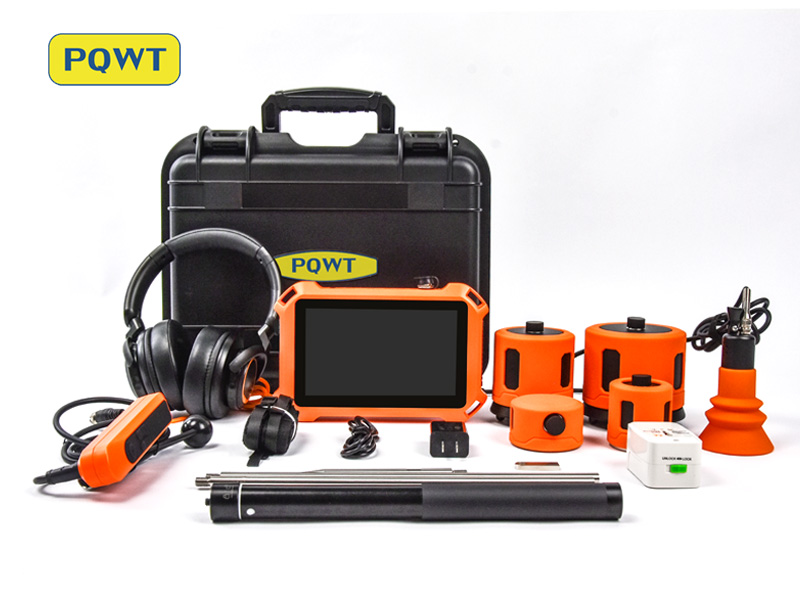
PQWT offers a range of leak detection instruments for indoor and outdoor pressure pipeline applications. Models such as the PQWT-PQ125A, PQWT-PQ125C, and PQWT-PQ125D are designed for different water pipeline detection requirements, while the PQWT-PQ125E can be used with a tracer leak detection sensor for specific applications.
Choosing the right instrument and sensor combination helps technicians adapt their detection method to the pipeline and the conditions at the site.
5. More Efficient Water Pipeline Maintenance
Leak detection can be an important part of a broader pipeline maintenance process.
When a leak is suspected, technicians can first identify the pipeline route, inspect the surrounding area, collect detection signals, and narrow down the suspected leak location. The pipe can then be exposed and repaired once the location has been sufficiently investigated.
This workflow can reduce unnecessary investigation and make better use of time and labor, particularly when the pipeline is buried beneath roads, buildings, or other developed areas.
For water utilities, municipal maintenance teams, property management companies, and professional leak detection contractors, a pipeline leak detector can be a useful field instrument for investigating hidden water leaks.
How PQWT Pipeline Leak Detectors Are Used in the Field
PQWT develops and manufactures equipment for water pipeline leak detection and underground water exploration.
Its pipeline leak detection range includes instruments designed for indoor and outdoor pressure pipelines, along with different sensors for acoustic and other detection methods.
For example, the PQWT-PQ125C is designed for indoor and outdoor pressure pipeline leak detection and can be configured with different sensors according to the application. The PQWT-PQ125D also supports indoor and outdoor pressure pipeline detection and offers multiple sensor options.
For applications where a tracer gas method is appropriate, the PQWT-PQ125E can be used with the TLS-H8 tracer leak detection sensor.
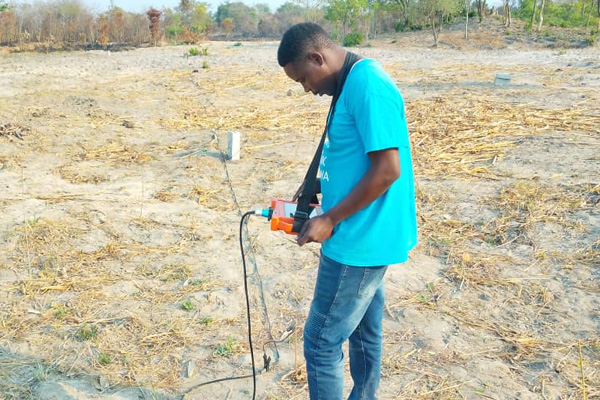
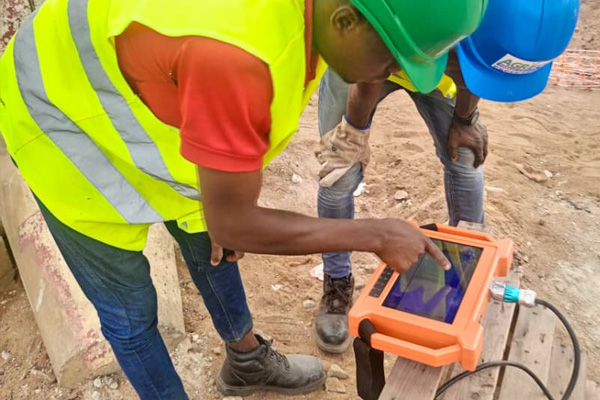
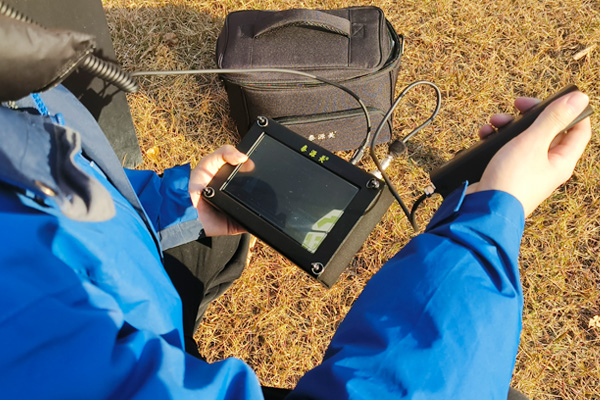
PQWT equipment has also been used in field testing under challenging conditions. In a documented L2000 field test, technicians investigated a DN50 PE water supply pipeline in an environment with significant background noise and used the instrument to locate the suspected leakage point.
These examples illustrate an important point: the choice of leak detection equipment should be based on the pipeline, the site conditions, and the detection method required for the job.
Conclusion
A pipeline leak detector can help technicians locate hidden water leaks before excavation and make underground pipe repairs more targeted.
The main benefits include faster leak localization, less unnecessary excavation, better performance in challenging environments, flexibility across different pipeline applications, and a more efficient maintenance workflow.
The right equipment depends on the pipeline and the conditions at the site. Pipe material, diameter, water pressure, burial depth, background noise, and access conditions can all affect the detection process.
PQWT provides a range of pipeline leak detection equipment for water utilities, municipal maintenance teams, property management companies, and professional leak detection contractors.