


Product Overview
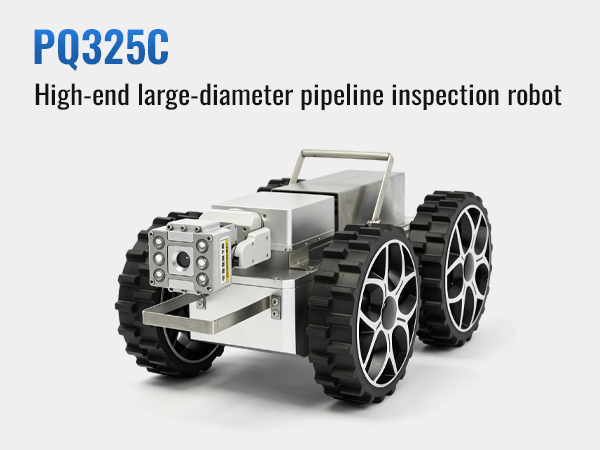
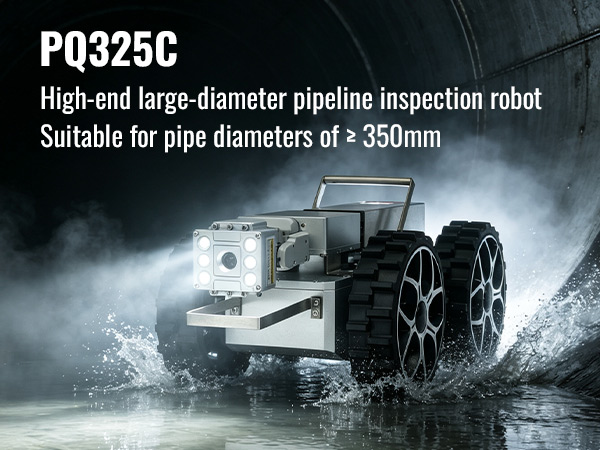
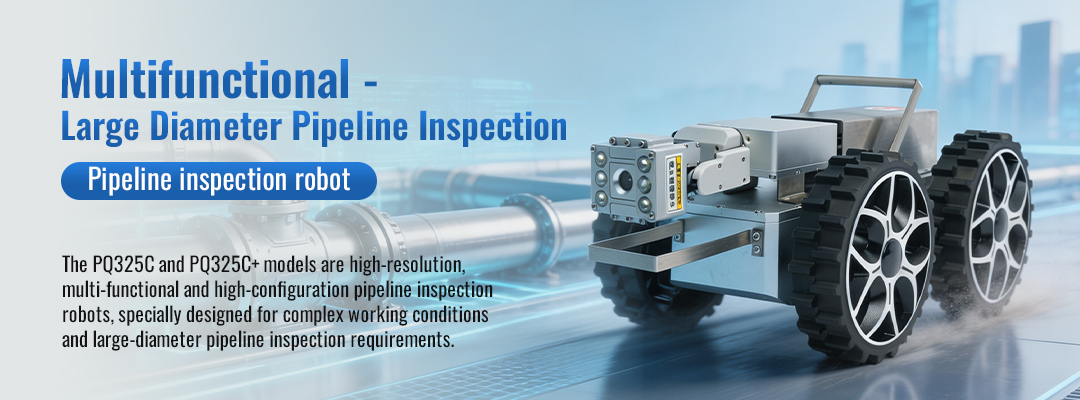
The PQWT PQ325C and PQ325C+ are pipeline inspection robots designed for pipes with an inner diameter of 350 mm or larger. They are suitable for visual inspection in drainage systems and other pipelines where access is limited or manual inspection is difficult.
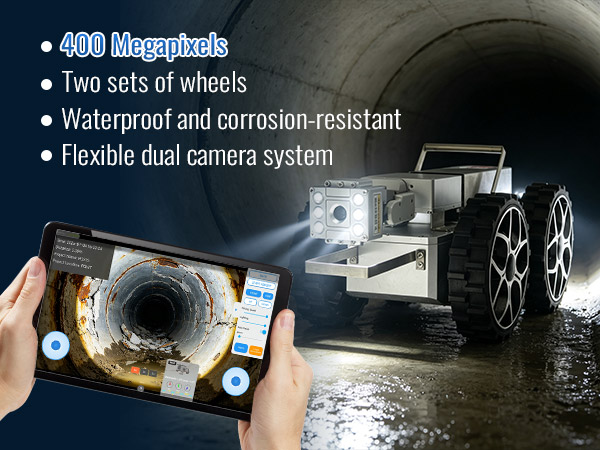
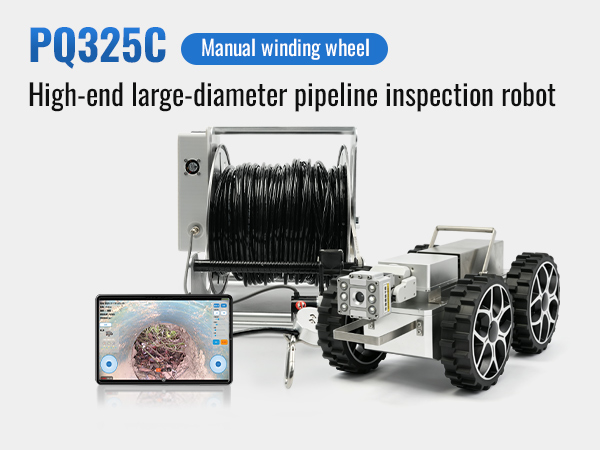
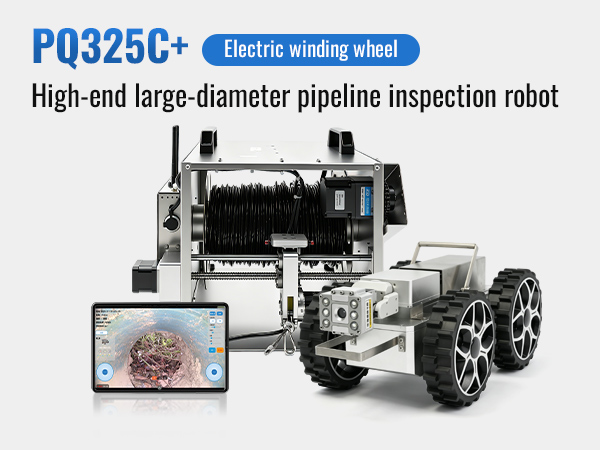
The system combines a mobile inspection robot, dual cameras, an adjustable lighting system and a touch-screen controller. It provides real-time images of the pipe interior, helping operators identify potential structural defects, sediment buildup, foreign objects and other conditions.
The front camera supports horizontal and vertical movement, while the rear camera provides a fixed rear view. This dual-camera configuration allows operators to observe different areas of the pipeline during inspection.
Two wheel sizes are available to accommodate different pipe conditions and inspection requirements. The robot is designed for use in environments where stable movement and reliable visual access are important.
Key Features
1. High-Definition 2K Imaging
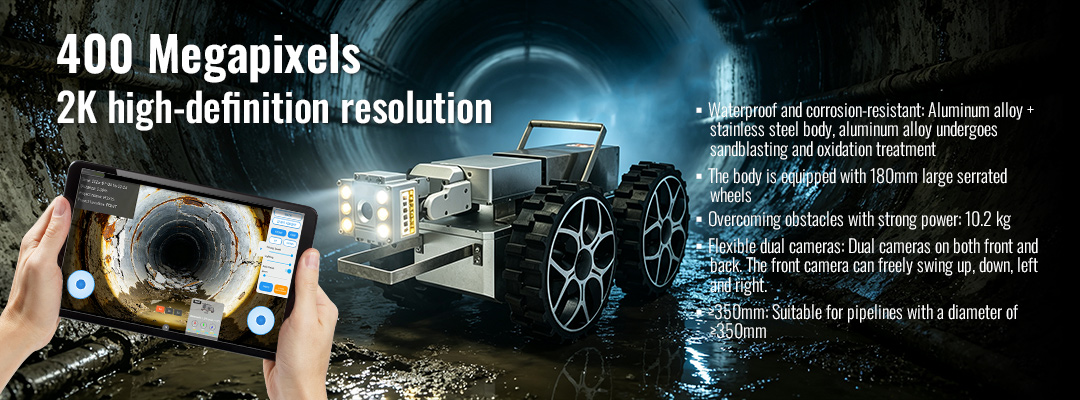
The PQWT PQ325C uses a 4-megapixel camera system with 2K image resolution to provide detailed views of the pipeline interior.
2. Dual-Camera Inspection
The front and rear cameras provide different viewing angles, helping operators observe the pipeline and reduce blind spots during inspection.
3. Flexible Front Camera
The front camera supports 270° horizontal rotation and 180° vertical rotation, allowing operators to adjust the viewing direction during inspection.
4. Two Wheel Sizes
The system supports 125 mm and 180 mm wheels. Operators can select the appropriate wheel configuration according to the pipe diameter and inspection conditions.
5. Inspection in Challenging Environments
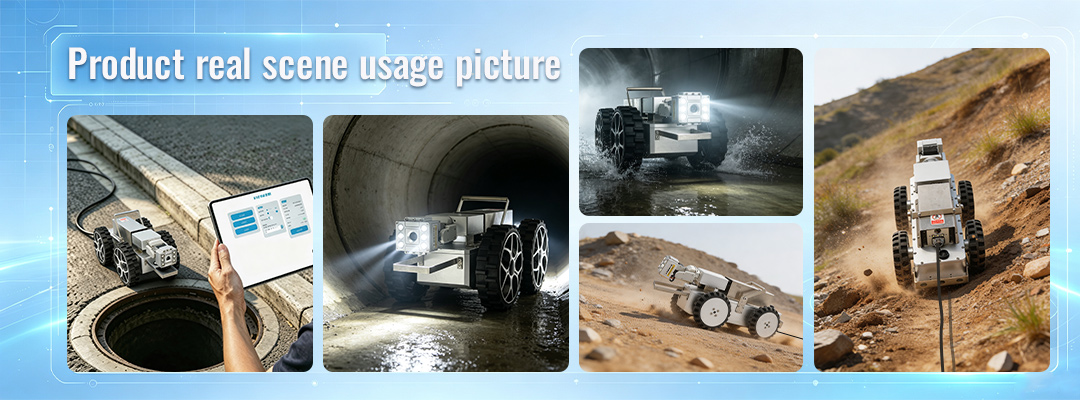
The robot is designed for use in pipeline environments that may contain sediment, accumulated water and uneven surfaces. Actual operating performance depends on the site conditions and equipment configuration.
6. Touch-Screen Control
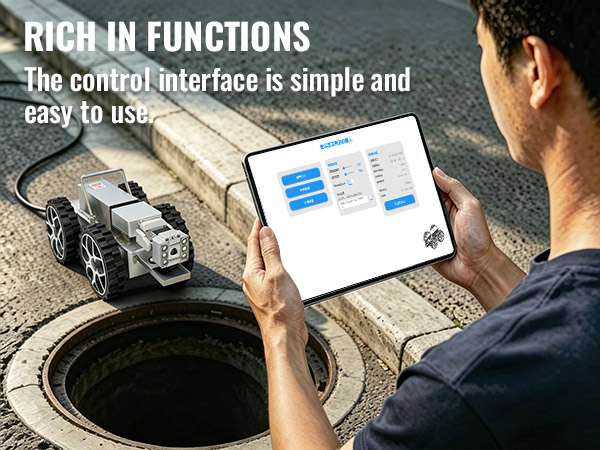
The 11.5-inch touch-screen tablet supports inspection-related functions, including project information, tilt display, direction display, photography and video recording.
Product Applications
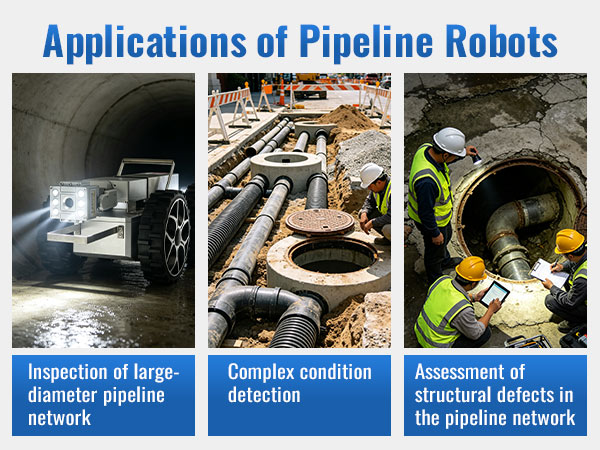
Drainage and Sewer Inspection
The PQWT PQ325C can support visual inspection of drainage and sewer systems, helping operators investigate internal pipe conditions and identify areas requiring further assessment.
Potential applications include:
- Routine drainage system inspection
- Inspection after pipeline renovation or dredging
- Investigation of sediment buildup and restricted flow
- Inspection of pipe corrosion and breakage
- Identification of joint misalignment
- Inspection of foreign objects and blockages
- Assessment of internal structural conditions
Inspection of Difficult-to-Access Areas
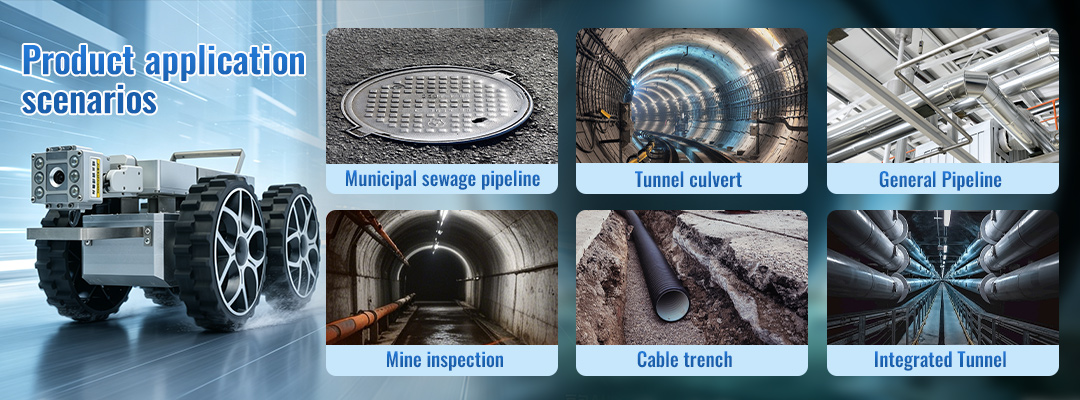
Pipeline inspection robots can help operators obtain visual information in locations where direct manual access is difficult.
Depending on the operating environment and equipment configuration, the PQ325C series can be considered for inspection of drainage pipelines, ventilation ducts, trenches and other enclosed spaces.
New Drainage System Acceptance Inspection
The system may be used to support visual checks during the acceptance of newly constructed or renovated drainage systems. Inspection requirements should be determined according to the applicable project standards and customer specifications.
Main Specifications
| Product model | PQ325C | PQ325C+ |
|---|---|---|
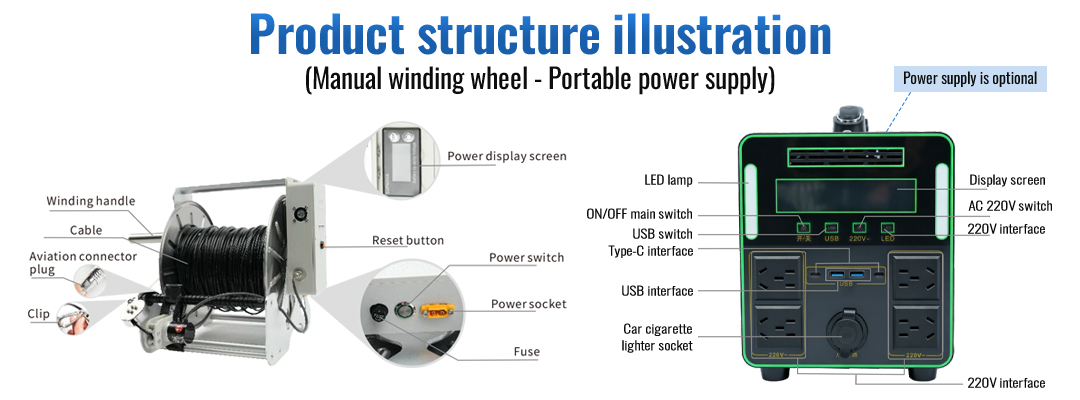
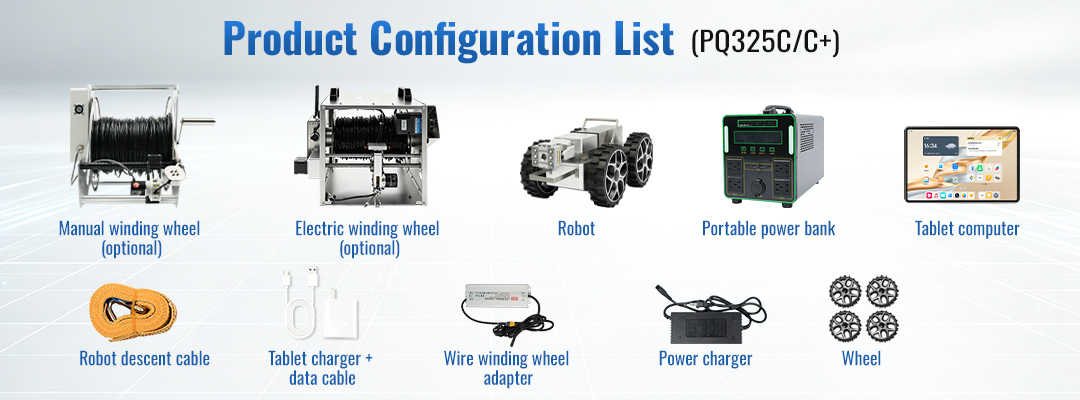
| Cable reel and cable type | 7 mm tensile and wear-resistant twisted-pair cable, manual winding; | 7 mm tensile and wear-resistant twisted-pair cable, electric winding |
| Applicable pipe diameter | With 125 mm wheels: pipelines with diameter ≥350 mm | |
| Wheels | 125 mm / 180 mm diameter | |
| Inspection distance | ≤100 m | |
| Camera | Adjustable front camera + fixed rear camera, 4 MP (2K) | |
| Number of cameras | 2 | |
| Camera rotation Front camera | 270° horizontal rotation and 180° vertical rotation; | |
| rear camera | fixed, non-rotating | |
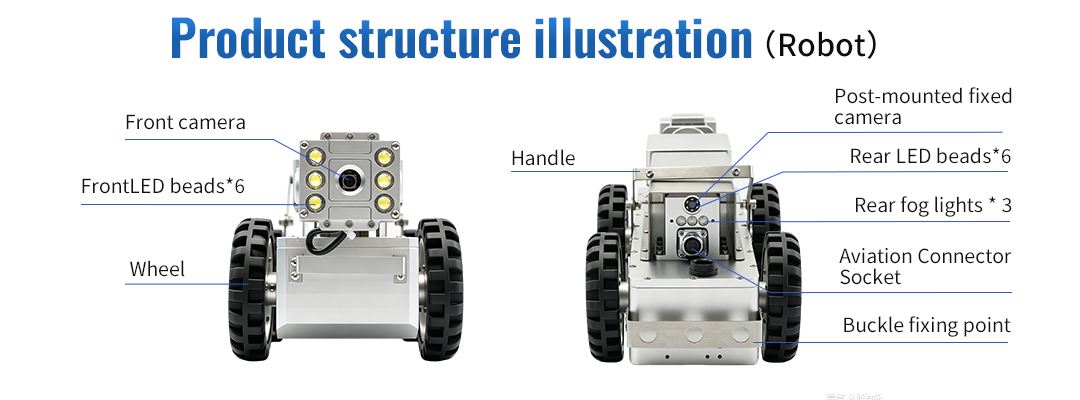
| Number of lights | 4 front high-brightness LED beads + 6 rear high-brightness LED beads | |
| Light brightness | Stepless adjustment | |
| Visible distance | 5 m | |
| Robot body material | Aluminum alloy + stainless steel | |
| Climbing angle | 30° | |
| Controller | 11.5-inch touch-control tablet | |
| Image resolution | 2K | |
| Cable tensile strength | 100 kg | |
| Power capacity | 500 Wh | |
| Operating temperature | -10°C to 55°C | |
| Charging time | Approx. 12 hours | |
| Battery life | ≥8 hours | |
| Compatible charger | Portable power supply 12V 5A charger | |
| Main functions | Project information, tilt display, direction display, photo/video | |
| Product weight Robot body | 10.2 kg; cable reel: 10.3 kg; portable power supply: 7.7 kg | |
FAQ
1. What pipe diameter is the PQWT PQ325C designed for?
The PQWT PQ325C is designed for pipelines with an inner diameter of 350 mm or larger, subject to the selected wheel configuration and operating conditions.
2. What is the inspection distance?
The listed inspection distance is up to 100 m. The actual usable range depends on the cable configuration and site conditions.
3. Does the robot have front and rear cameras?
Yes. The system is equipped with an adjustable front camera and a fixed rear camera.
4. Can the front camera rotate?
The front camera supports 270° horizontal rotation and 180° vertical rotation.
5. What applications is the robot suitable for?
The PQ325C is designed for visual inspection of large-diameter pipelines, including drainage-related inspection and assessment of internal pipe conditions.
6. What is the difference between PQ325C and PQ325C+?
The listed configuration indicates that the PQ325C uses manual cable winding, while the PQ325C+ uses electric cable winding. Confirm the final configuration before publication.