

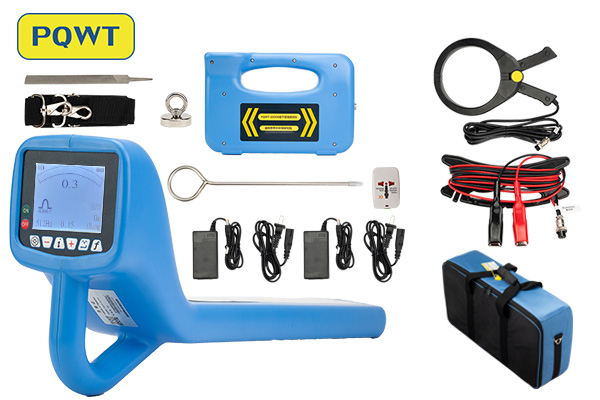
Product Overview
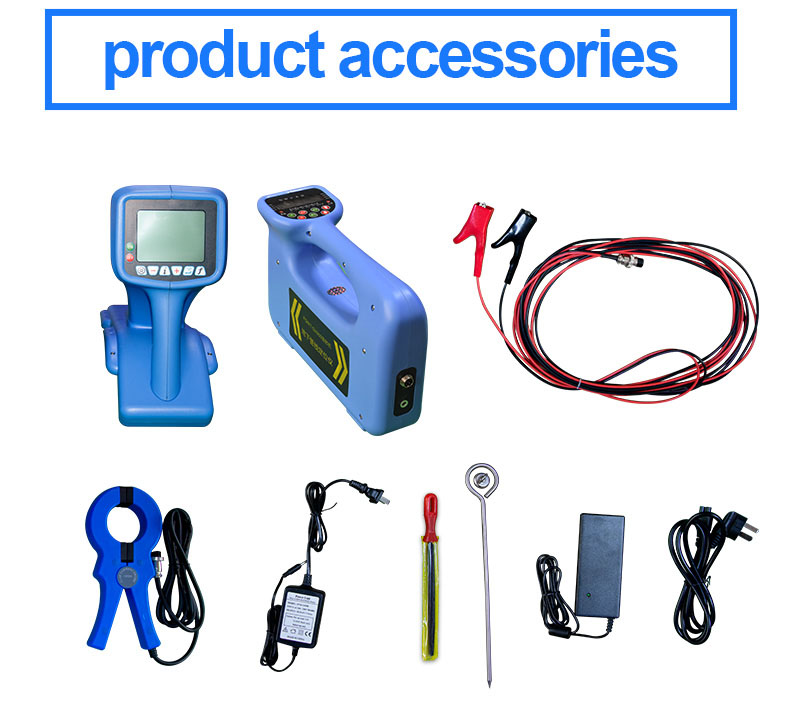
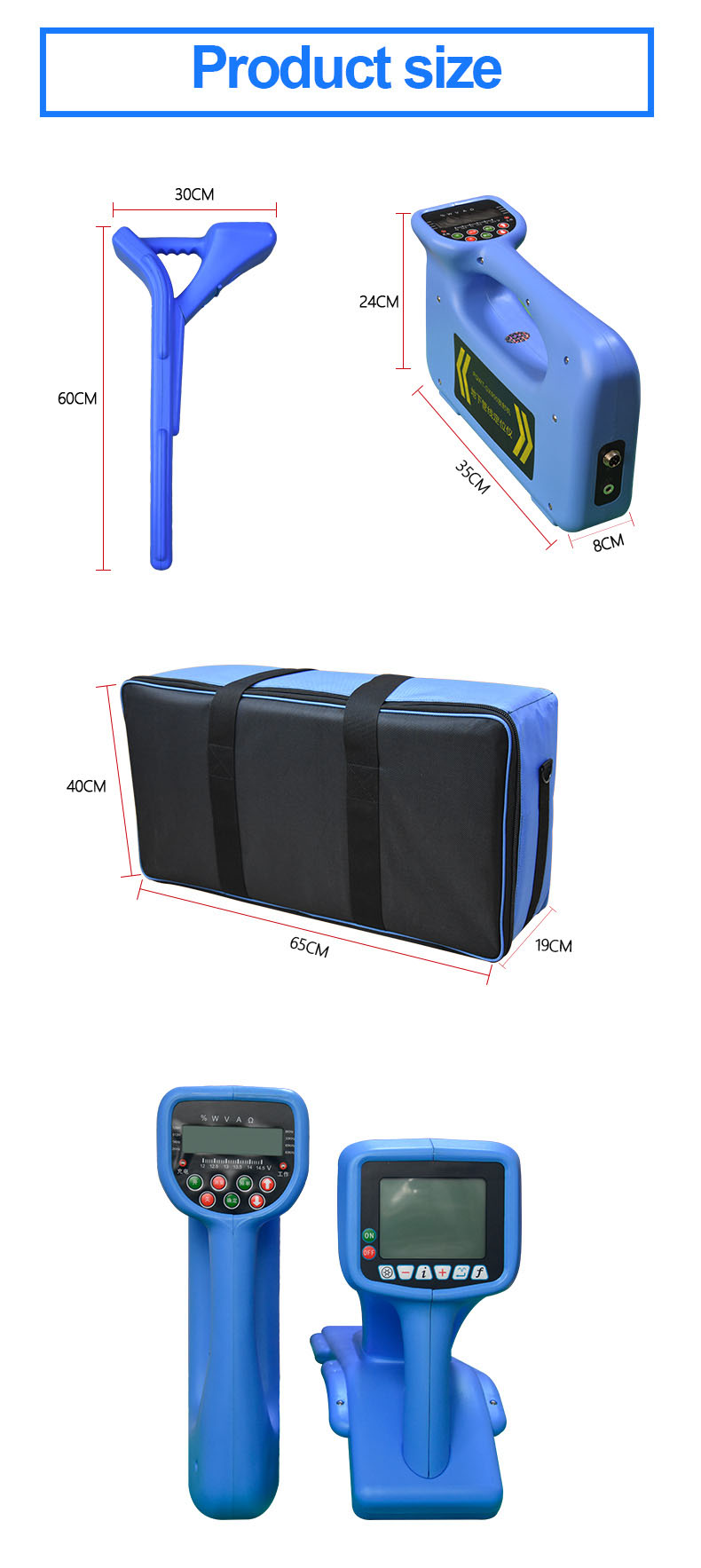
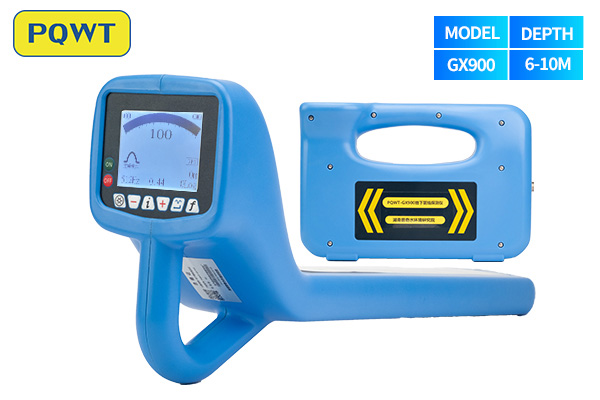
The PQWT-GX900 is a professional pipeline and cable locator designed for tracing buried metallic utilities and supporting underground utility inspection. With a detection depth of up to 8 meters, the GX900 is positioned for projects that require route tracing, depth measurement and cable fault inspection.
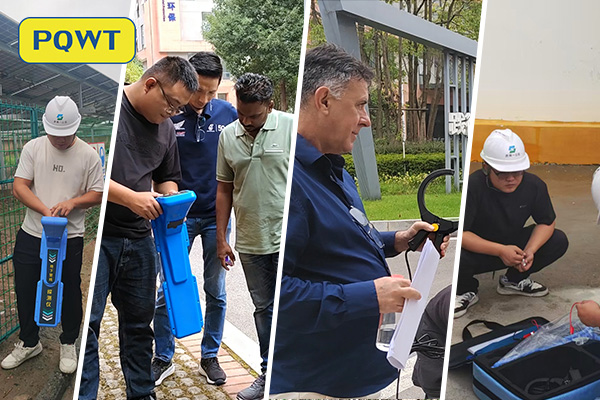
It is suited to municipal utility maintenance, water supply pipeline inspection, power and communication cable tracing, construction-site utility mapping and other engineering tasks where the location of buried metallic lines needs to be identified before excavation.
Actual detection performance depends on the target utility, burial conditions, signal coupling method and surrounding electromagnetic interference.
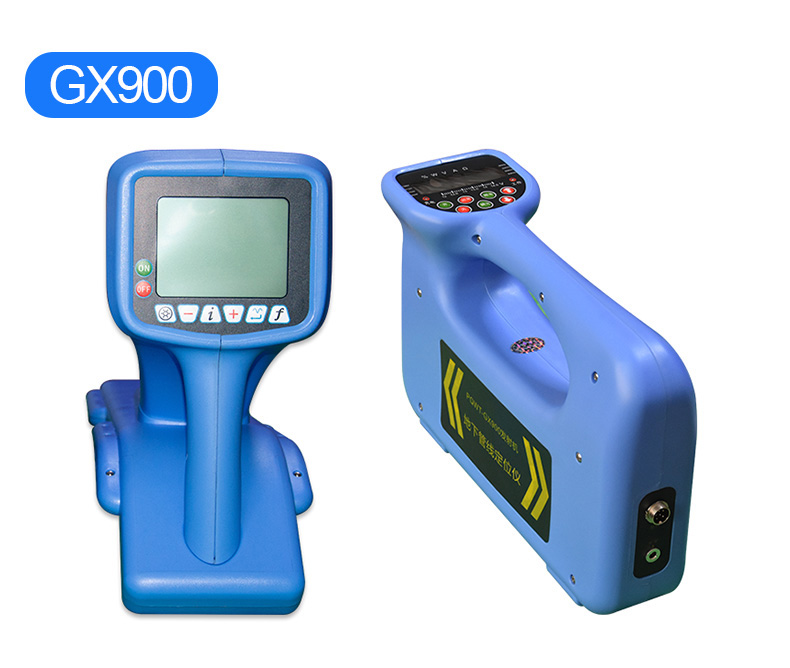
What the PQWT-GX900 Is Designed to Detect
The GX900 is intended for underground metallic pipeline and cable locating rather than acoustic water-leak detection. Its main purpose is to help operators determine where a buried conductive utility runs and, where conditions permit, estimate its burial depth.
Typical targets include:
- Buried metallic water supply pipelines
- Metallic utility pipelines
- Power and communication cables
- Underground utility routes requiring tracing before excavation
- Cable or pipeline sections requiring fault inspection
Non-metallic pipes without a suitable conductive path may require a different locating method or an appropriate tracing accessory.
How the PQWT-GX900 Works
The PQWT-GX900 uses electromagnetic coupling to locate underground conductive utilities. A transmitted signal is coupled to the target line, while the receiver detects changes in the electromagnetic field around the utility.
Signal direction and strength help the operator follow the utility route. Depth-related information can then support excavation planning and utility inspection.
Nearby cables, parallel utilities, grounding conditions, soil characteristics and electromagnetic interference can affect the result. Operators should verify the route from multiple positions instead of relying on a single reading.
Key Functions for Pipeline and Cable Tracing
Route Tracing
The GX900 helps operators follow the path of a buried metallic pipeline or cable and identify changes in signal direction during field tracing.
Depth Measurement
Where conditions are suitable, the locator can provide depth information for the detected utility. Depth should be treated as a field measurement and verified when excavation decisions depend on it.
Cable and Pipeline Fault Inspection
The GX900 is designed to support cable fault and abnormal-signal inspection in addition to route locating, making it useful for maintenance teams that need more than basic path tracing.
Signal Analysis
The receiver evaluates electromagnetic signal characteristics to help distinguish the target utility from surrounding signals. Good field practice includes checking signal response from different positions before excavation.
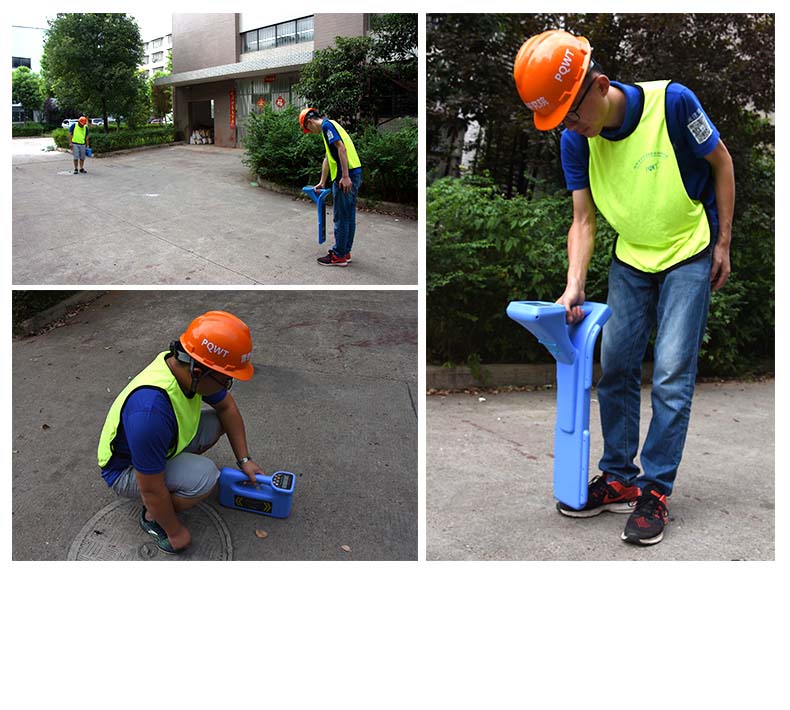
Typical Applications
The PQWT-GX900 can be used for:
- Municipal water supply and utility maintenance
- Underground power and communication cable tracing
- Construction-site utility surveys before excavation
- Pipeline route verification
- Utility maintenance in areas with multiple buried lines
- Engineering inspection of underground conductive utilities
The GX900 is especially relevant when a project requires route locating together with depth-related information and cable fault inspection.
GX900 Detection Workflow
1. Identify the target utility
Determine whether the target is a conductive metallic pipeline or cable and collect available route information.
2. Select the appropriate connection or coupling method
Choose the signal application method according to the utility and site conditions.
3. Trace the route
Move the receiver across the survey area and compare signal strength and direction to follow the underground utility.
4. Check depth
After identifying the route, take depth measurements at representative points.
5. Verify before excavation
Mark the identified route and, where practical, verify it from another direction or measurement position before excavation.
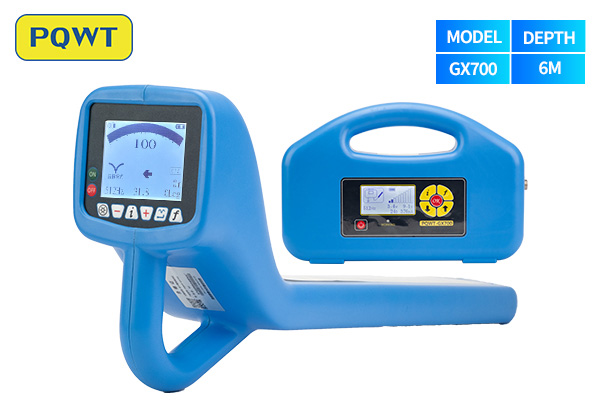
PQWT's GX series includes several underground utility locator models. The GX700 is positioned as a general underground utility locator with a stated 6-meter detection depth. The GX800 is designed for more demanding utility management and multi-frequency tracing. The GX900 should be positioned as the higher-end option for projects requiring up to 8-meter detection capability and additional cable fault inspection functions.
Frequently Asked Questions
What is the PQWT-GX900 used for?
It is used to locate buried metallic pipelines and cables, trace their routes, measure depth under suitable conditions and support cable fault inspection.
Can the GX900 locate non-metallic pipes?
The GX900 is primarily intended for conductive metallic utilities. Non-metallic pipes normally require another locating method or a suitable tracing solution.
What is the maximum detection depth?
The current product positioning specifies up to 8 meters. Actual field performance depends on the target utility and site conditions.
Is the GX900 a water leak detector?
No. The GX900 is a pipeline and cable locator. PQWT's acoustic and other leak detectors are designed specifically for locating water leaks.
How is the GX900 different from the GX700?
The GX700 is a general underground utility locator with a stated 6-meter detection depth. The GX900 is positioned as a higher-end model with up to 8-meter detection capability and additional cable fault inspection functions.
Why Choose PQWT for Underground Utility Detection?
PQWT develops equipment for pipeline inspection, leak detection, groundwater exploration and underground utility detection. The GX900 belongs to the pipeline and cable locating range and is designed for professional field inspection.